National Congress of Medical Schools: Capacity Building and Synergy of Higher Medical Education Institutions
Поділитися
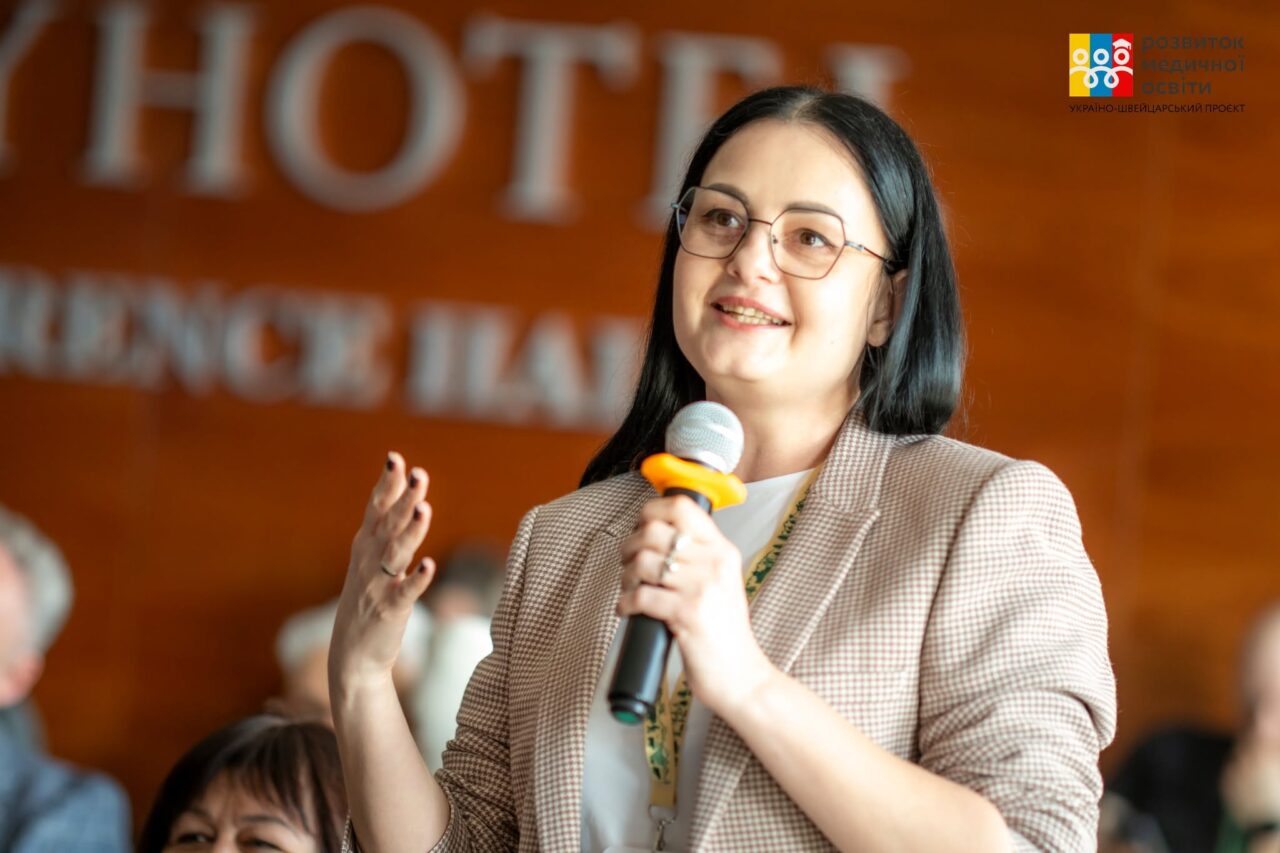
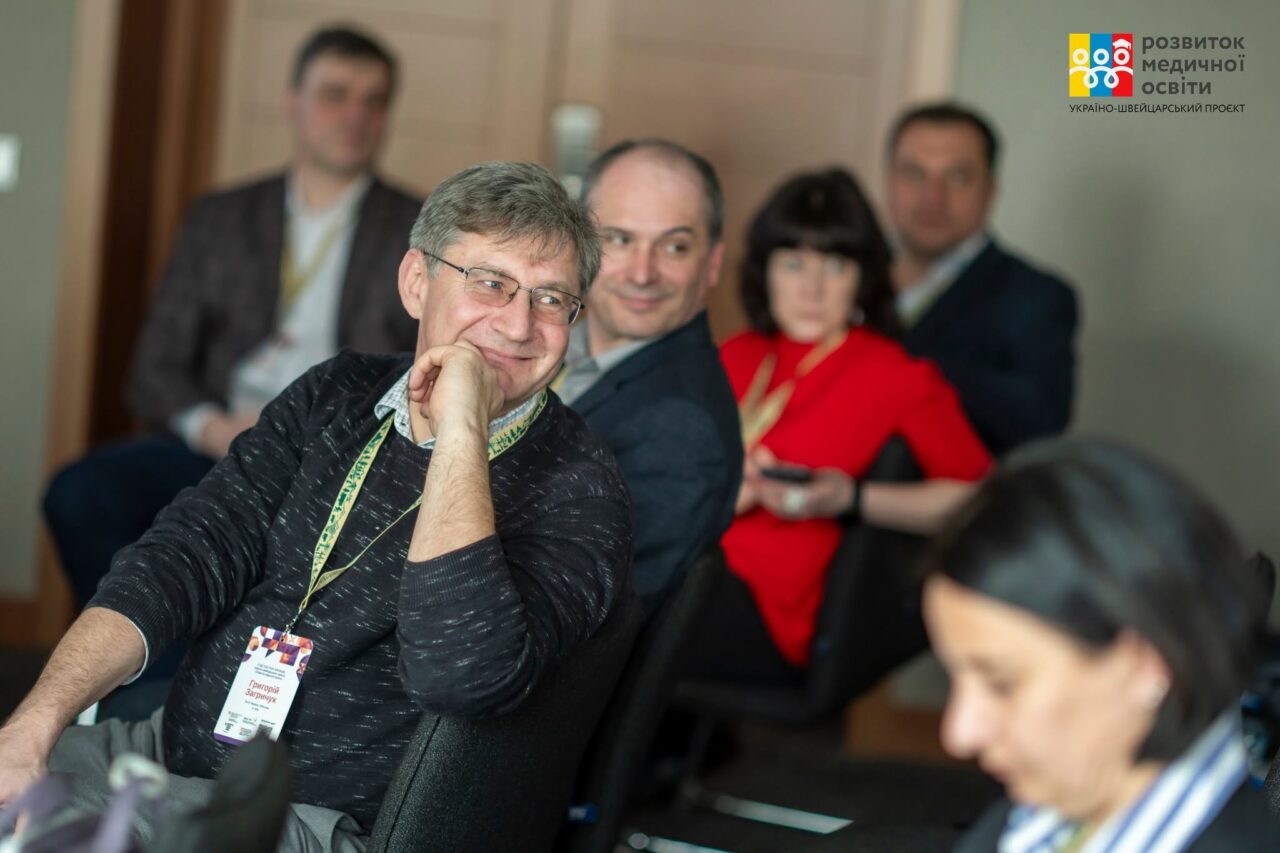
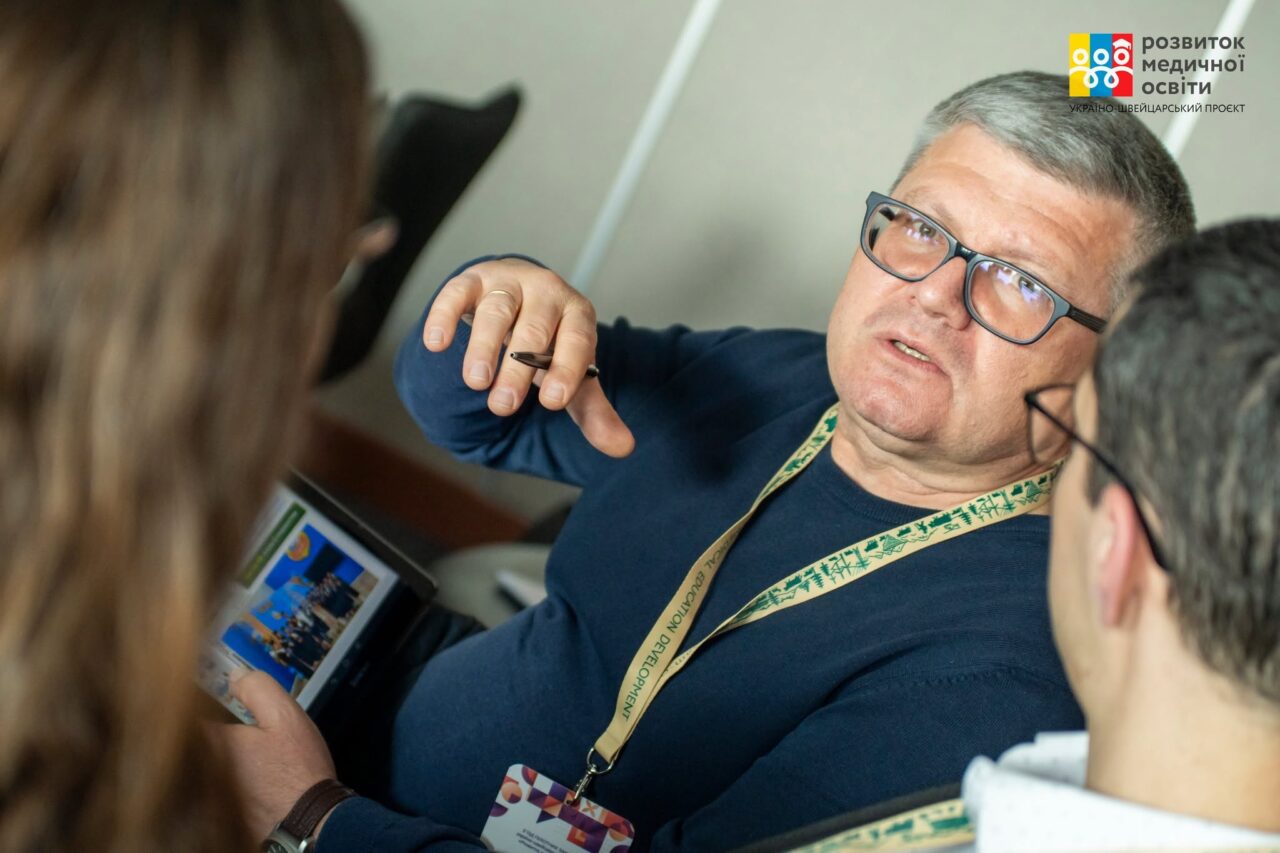
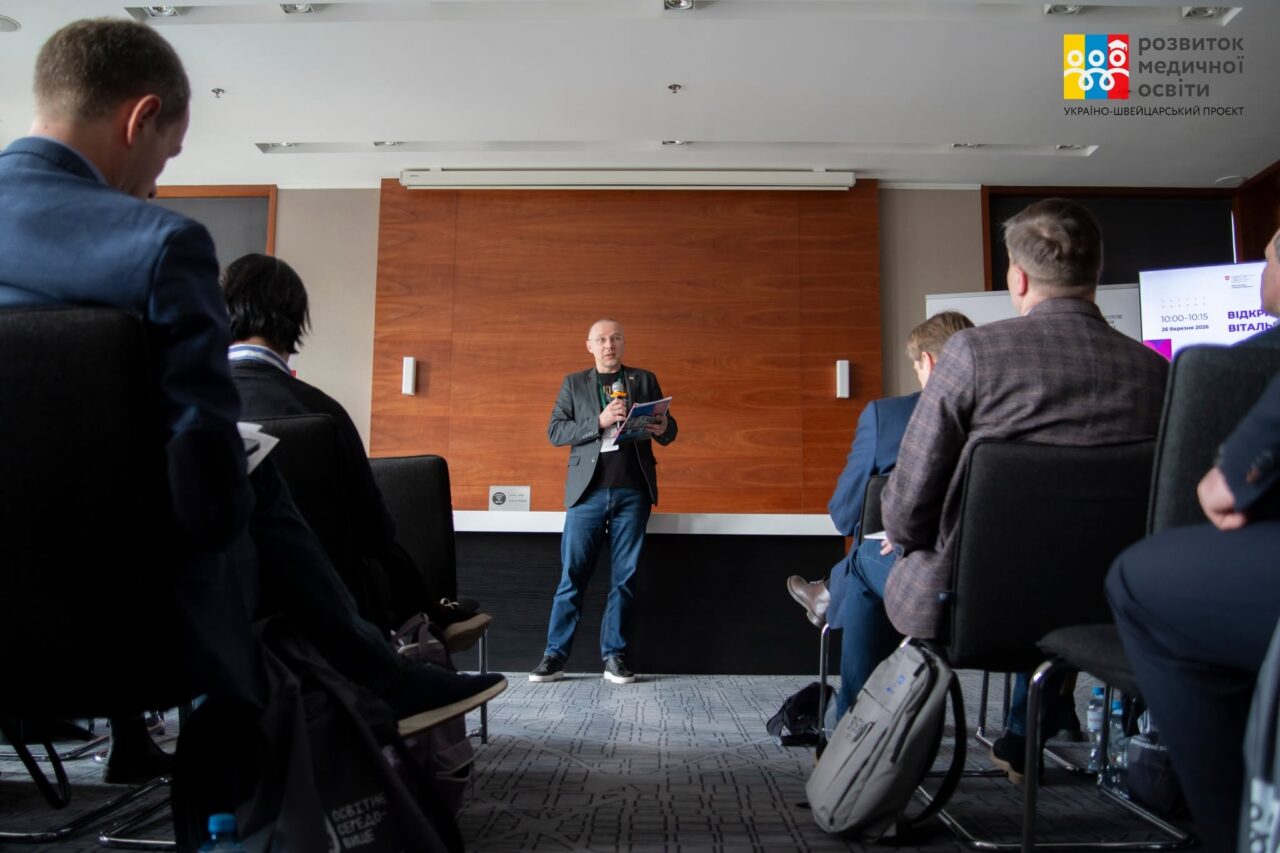
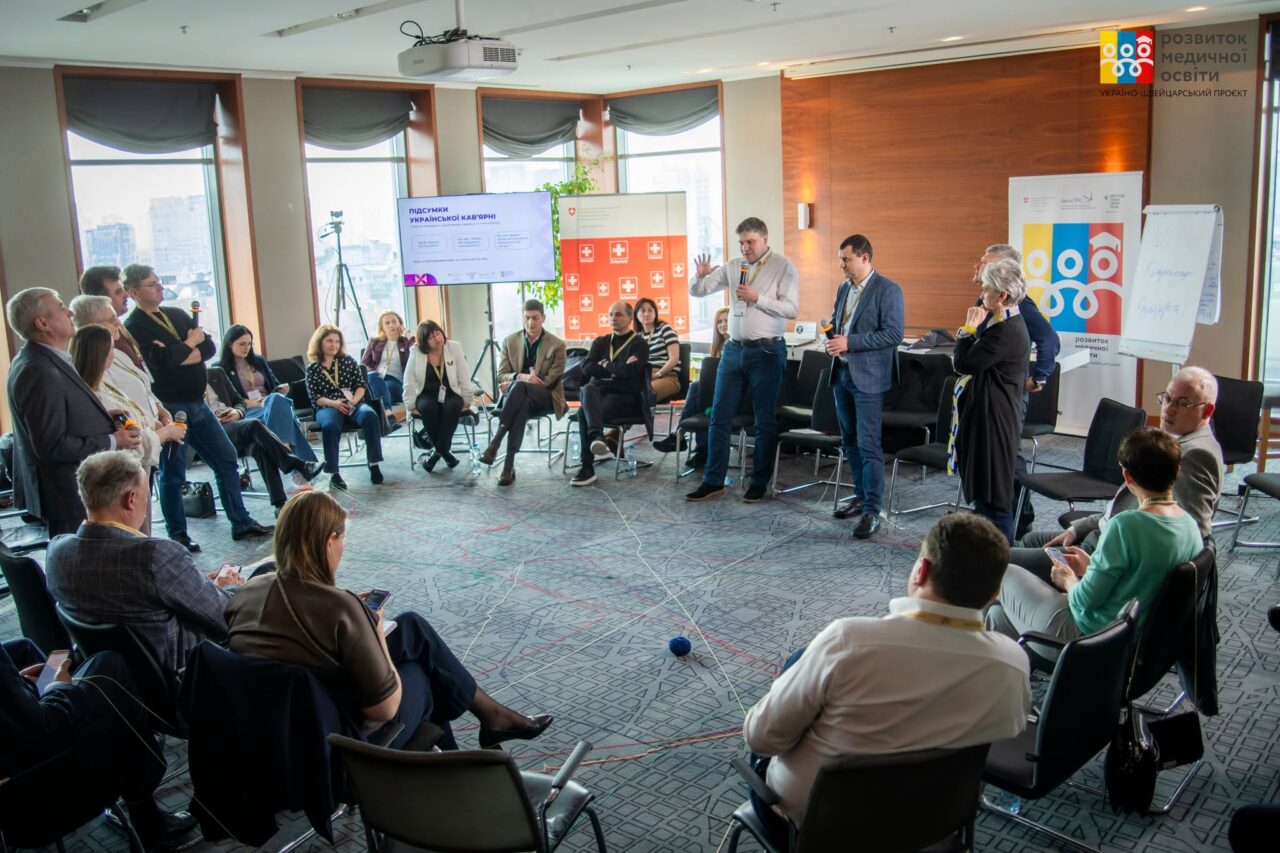
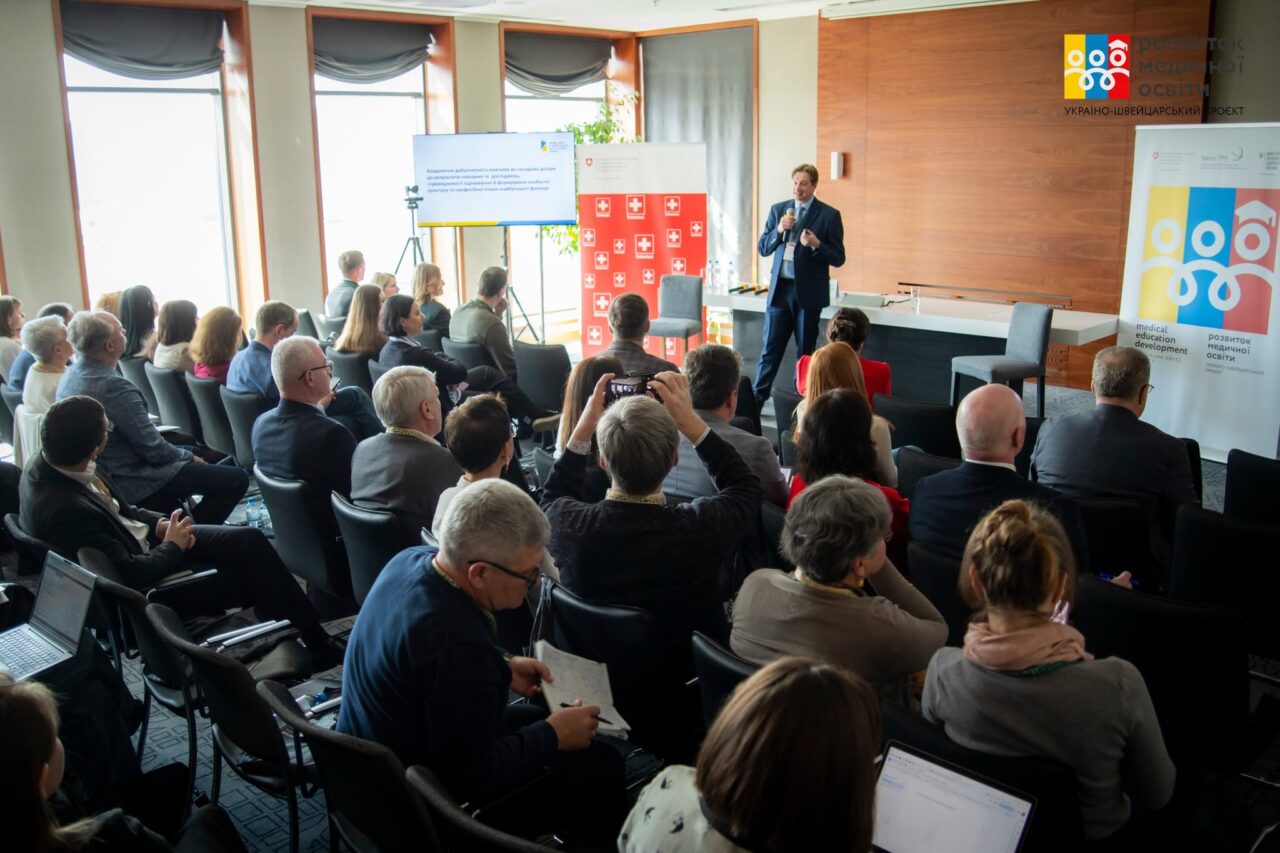
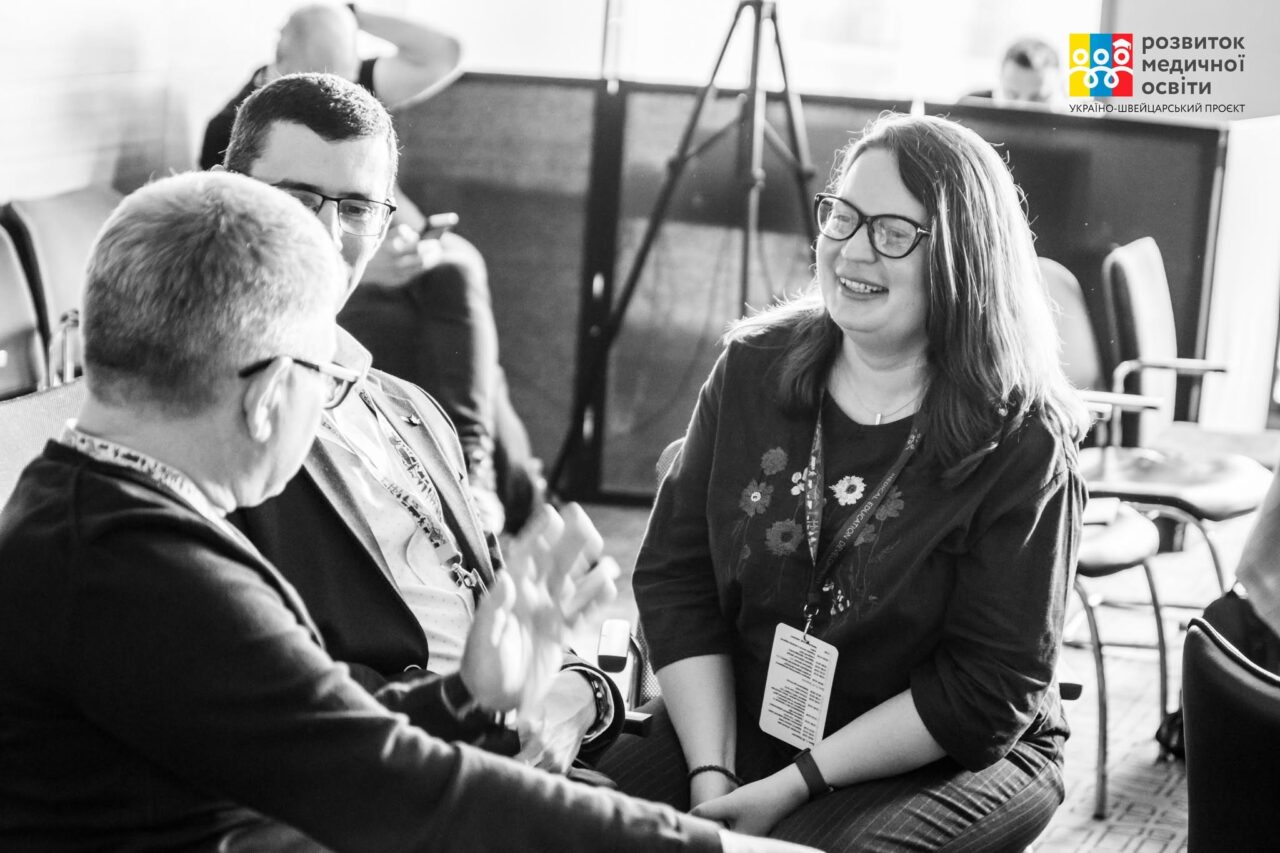
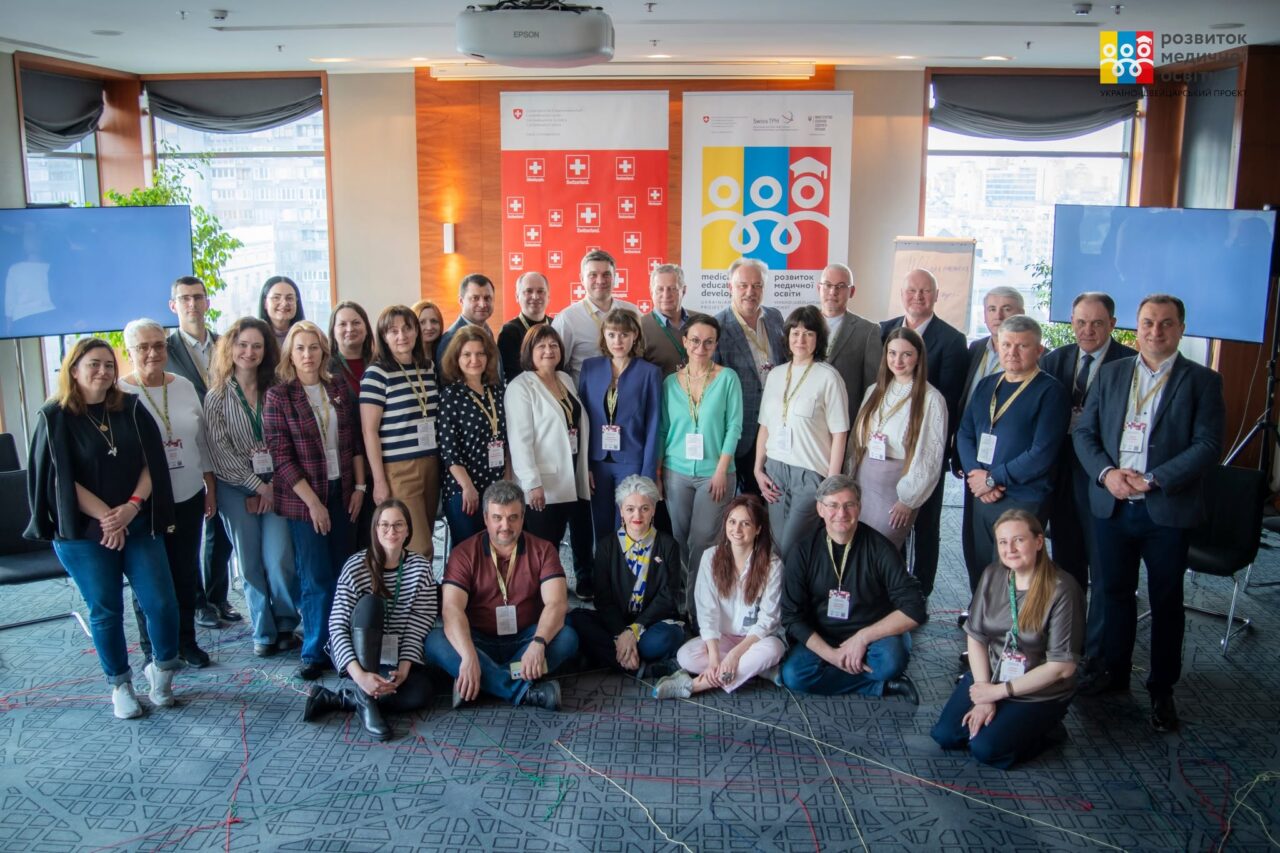
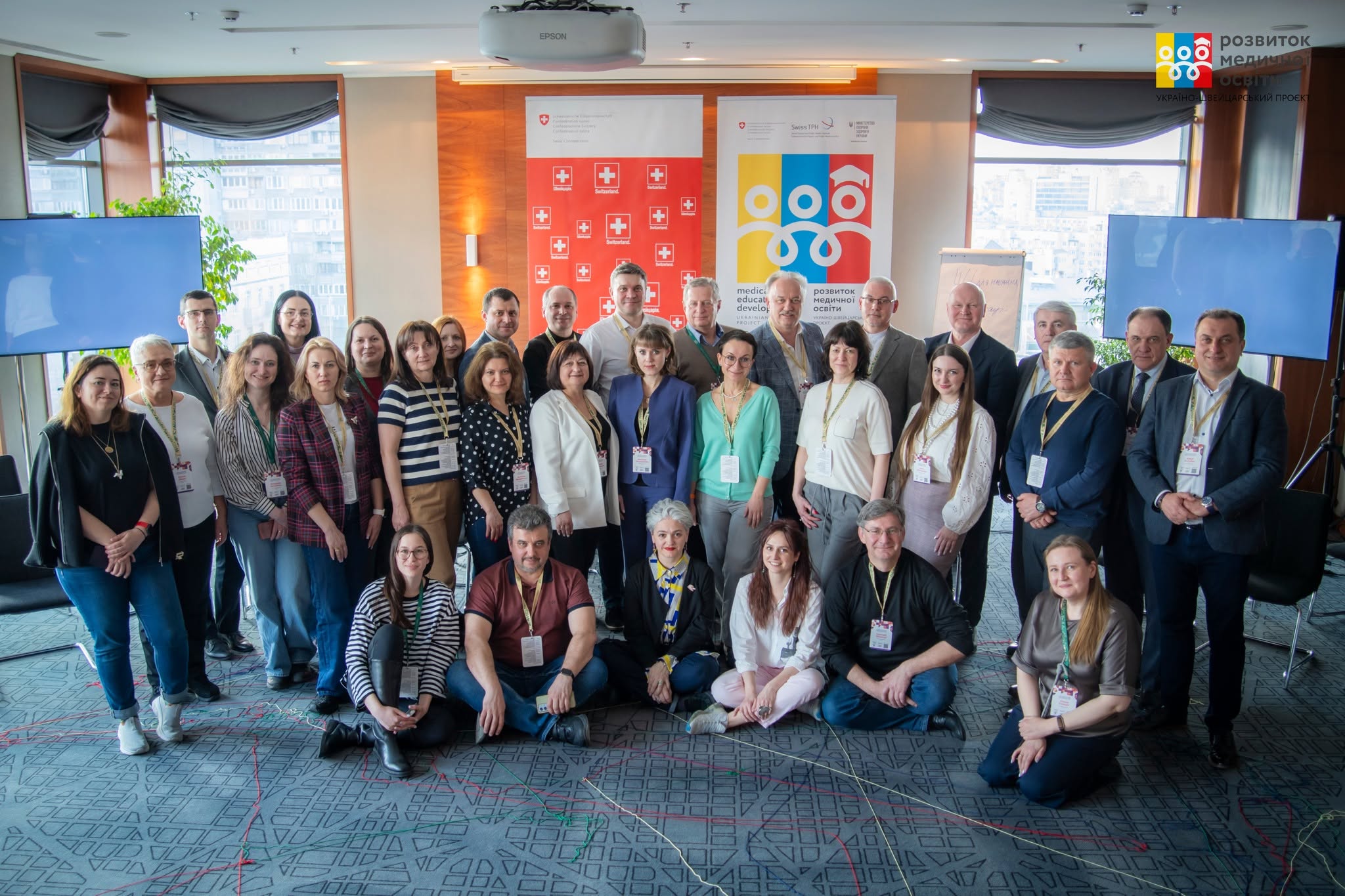
On March 26–27 in Kyiv, the National Congress of Medical Schools: Capacity Building and Synergy of Higher Medical Education Institutions brought together 28 representatives from ten pilot HEIs (higher education institutions) of the “Medical Education Development” project. Participants discussed what is already working in medical education, what needs to be rethought, and what education should look like when training a doctor for a country that has already changed.
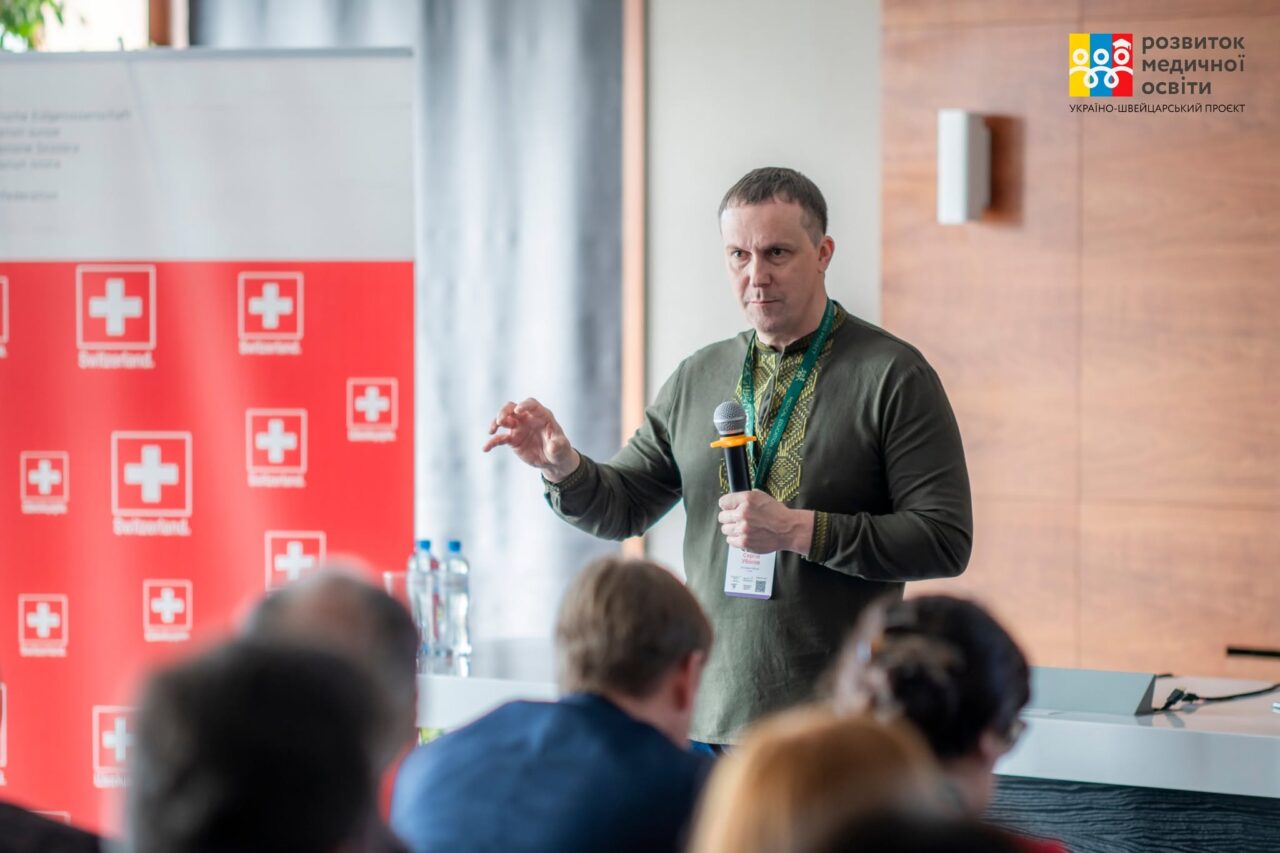
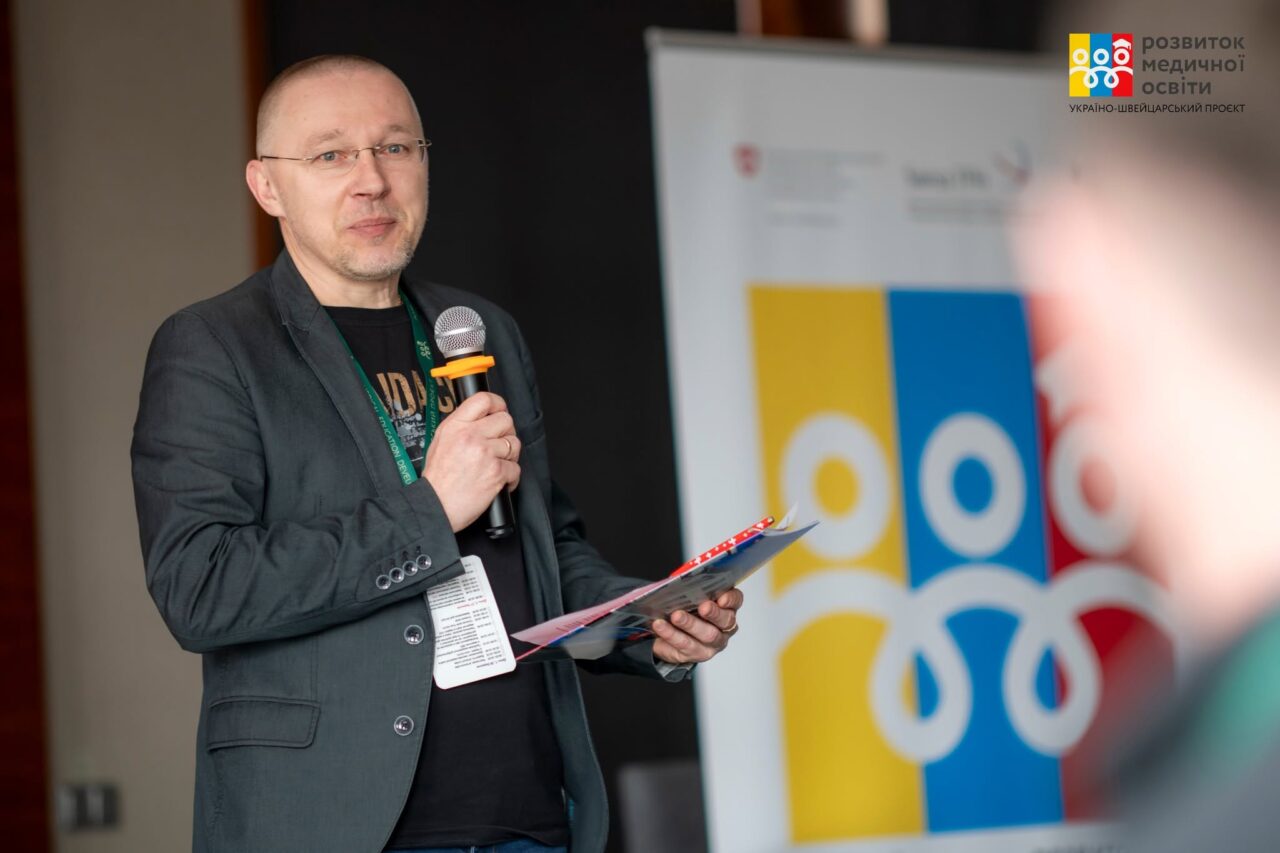
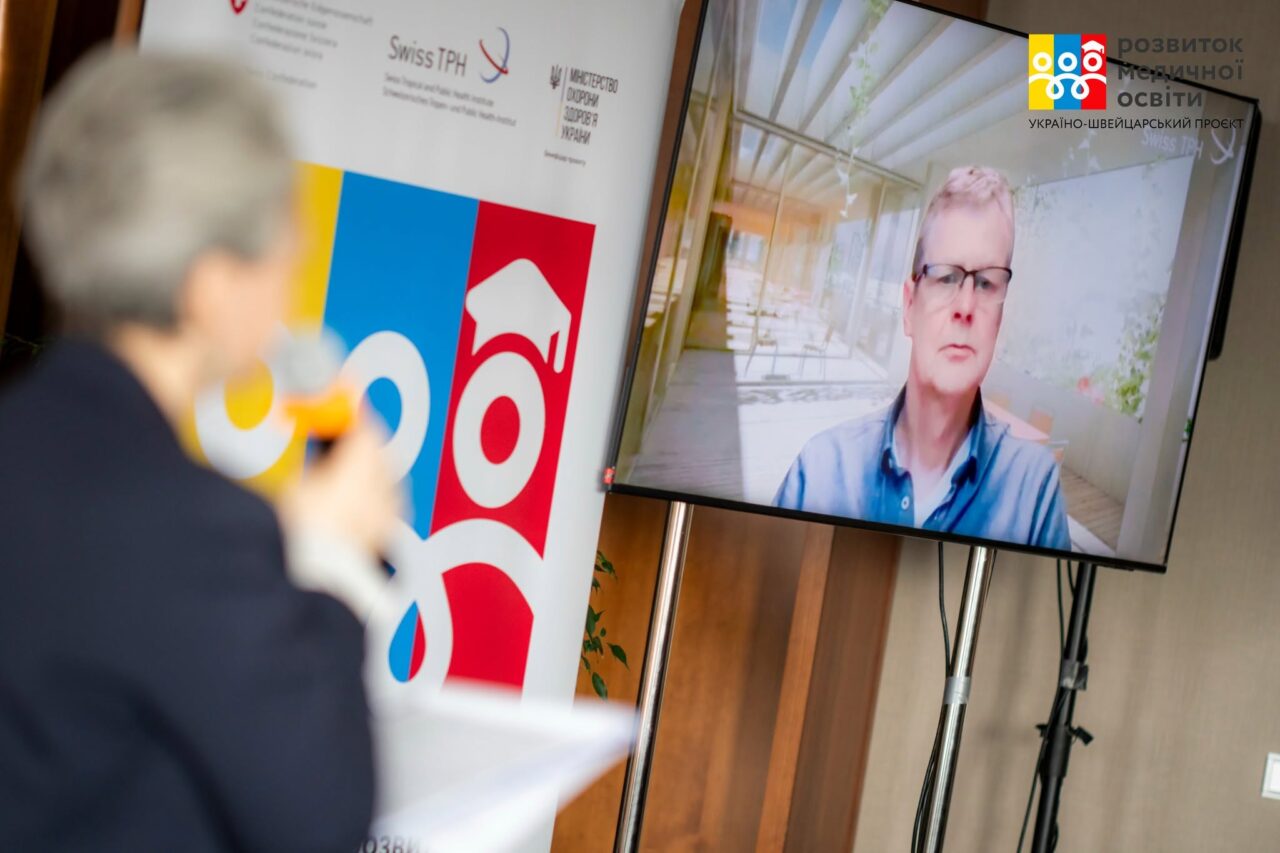
The congress was opened by project leader Martin Raab, Swiss Embassy representative Petro Ilkiv, Head of the Department of Medical Personnel, Education, and Science at the Ministry of Health Serhii Ubogov, and General Director of the Ministry of Health Center for Quality of Education Olena Nykonchuk.
Serhii Ubogov shared news from the ministry: he reminded attendees about the electronic distribution to internships and the intern registry, where academic performance and Krok 3 exam results are recorded, and spoke about the development of nursing as an independent professional vertical—ranging from professional colleges to master’s programs.
He separately emphasized the importance of transitioning from formal accumulation of CPD (Continuous Professional Development) points to conscious learning: “You shouldn’t go to a CPD event just to get a certificate, but to genuinely acquire the knowledge and competencies that raise your personal professional level.”
Another key change is the reorganization of the Testing Center into the Ministry of Health’s Center for Quality of Education, which, according to Mr. Ubogov, signifies a shift in philosophy itself—from “catch and check” to figuring out root causes and creating prerequisites for quality.
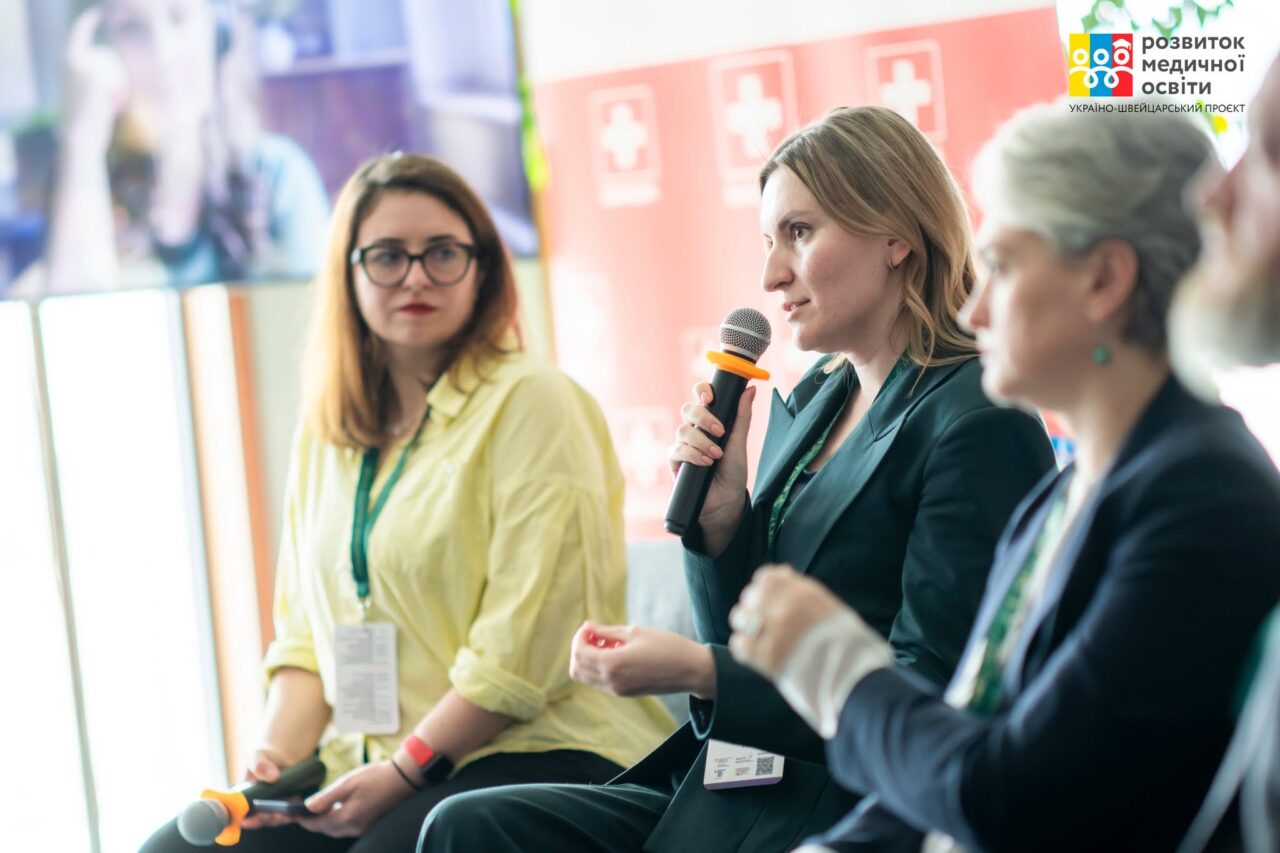
During the panel discussion “Changes in the Ecosystem of Medical Education in Ukraine,” Olena Nykonchuk spoke about the responsibility of the institutions themselves: “Changes do not happen by order. You drive them yourselves — and that is the most important thing. The main question is not for the ministry, but for you: are you ready to develop? Because we will support those who are ready.”
The idea of institutional autonomy and responsibility was supported by other speakers. Andrii Butenko (NAQA) reminded the audience that starting in 2025, universities review academic integrity violations themselves: “The university issues the diploma. It must be responsible for its reputation.”
Matviy Khrenov (UHC) spoke about management as a separate professional discipline with its own fundamental laws and about shifting from competition to cluster thinking: “Duplication of resources is a luxury the system cannot afford.”
Iryna Solovei (Garage Gang) expanded this thesis into the broader context of the knowledge economy, where an educator is valuable not as a broadcaster of information, but as a person capable of empathizing with the student during the learning process.
Ihor Zastavnyi and Anastasiia Khodan (family doctors, “Svoyi.ridni”) spoke about the demographic reality that changes the very logic of education: “We will be a country with a small population, and that changes everything” — meaning every specialist must become maximally efficient.
The speakers agreed: in a fragile, non-linear world, the educator is no longer merely a source of knowledge, but a co-navigator helping the student navigate uncertainty and think critically. This approach — Values-based Curriculum Approach (VBCA) — assumes that values are not taught as a separate bioethics course, but permeate every learning topic. They also discussed the environment that retains people in the profession: medical professionals leave Ukraine not only because of salaries, but also due to a lack of dignity and support.
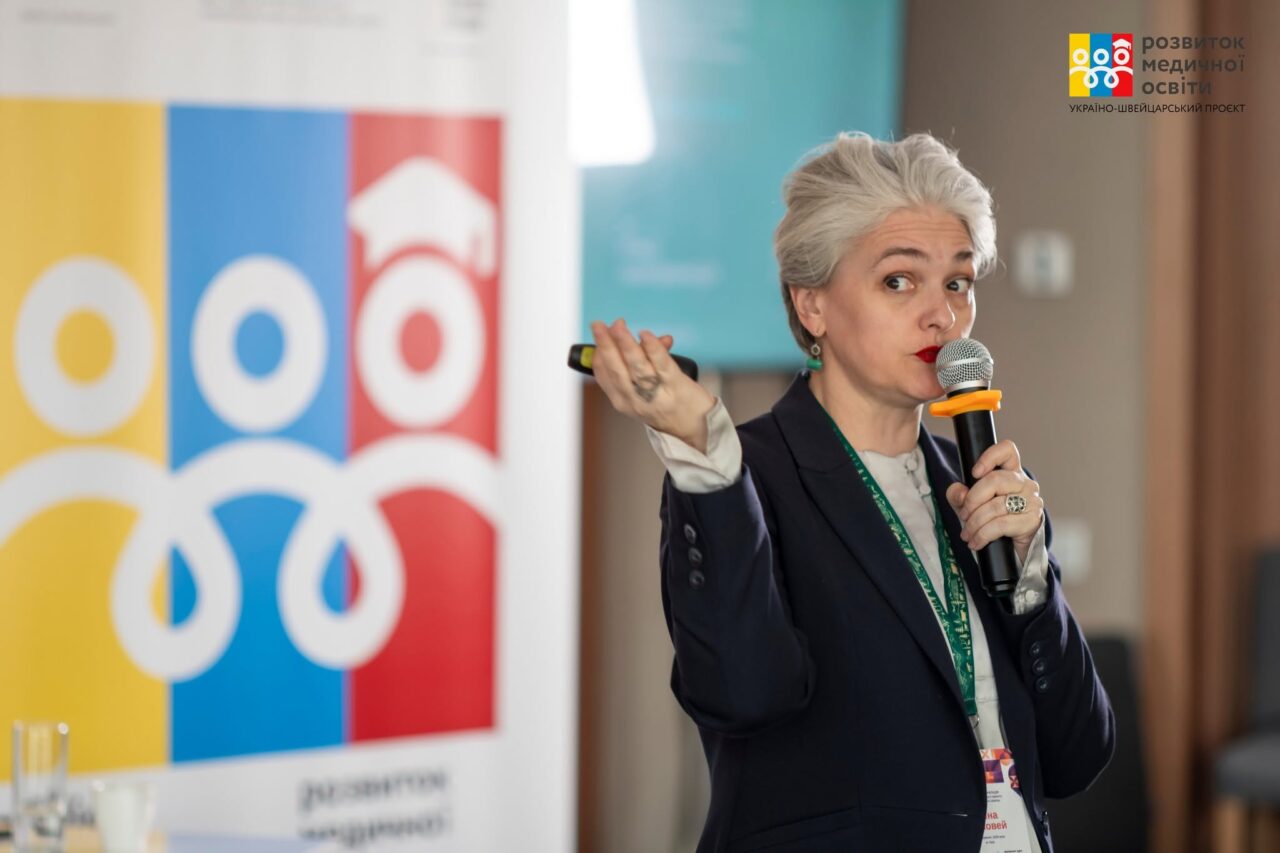
Anastasiia Leukhina, a consultant for the Ukraine-Switzerland project “Medical Education Development,” raised the topic of doctor-patient communication: if the majority of complaints concern the quality of communication rather than medical intervention, why is communication still on the sidelines of medical education? The students themselves gave the answer—where an elective communication course was introduced, instead of the expected two or three groups, eleven to twelve enrolled. Since 2022, the project has been working on integrating a course on humanity and empathy into medical education—learn more about this direction via the link.
As part of the congress, a kaleidoscope of project activities also took place, during which participants presented the results of implemented initiatives in medical education development and exchanged practical experience.
The congress served as a platform for discussing further steps in reforming medical education, developing partnerships between higher education institutions, and shaping a shared vision for training medical professionals in Ukraine.