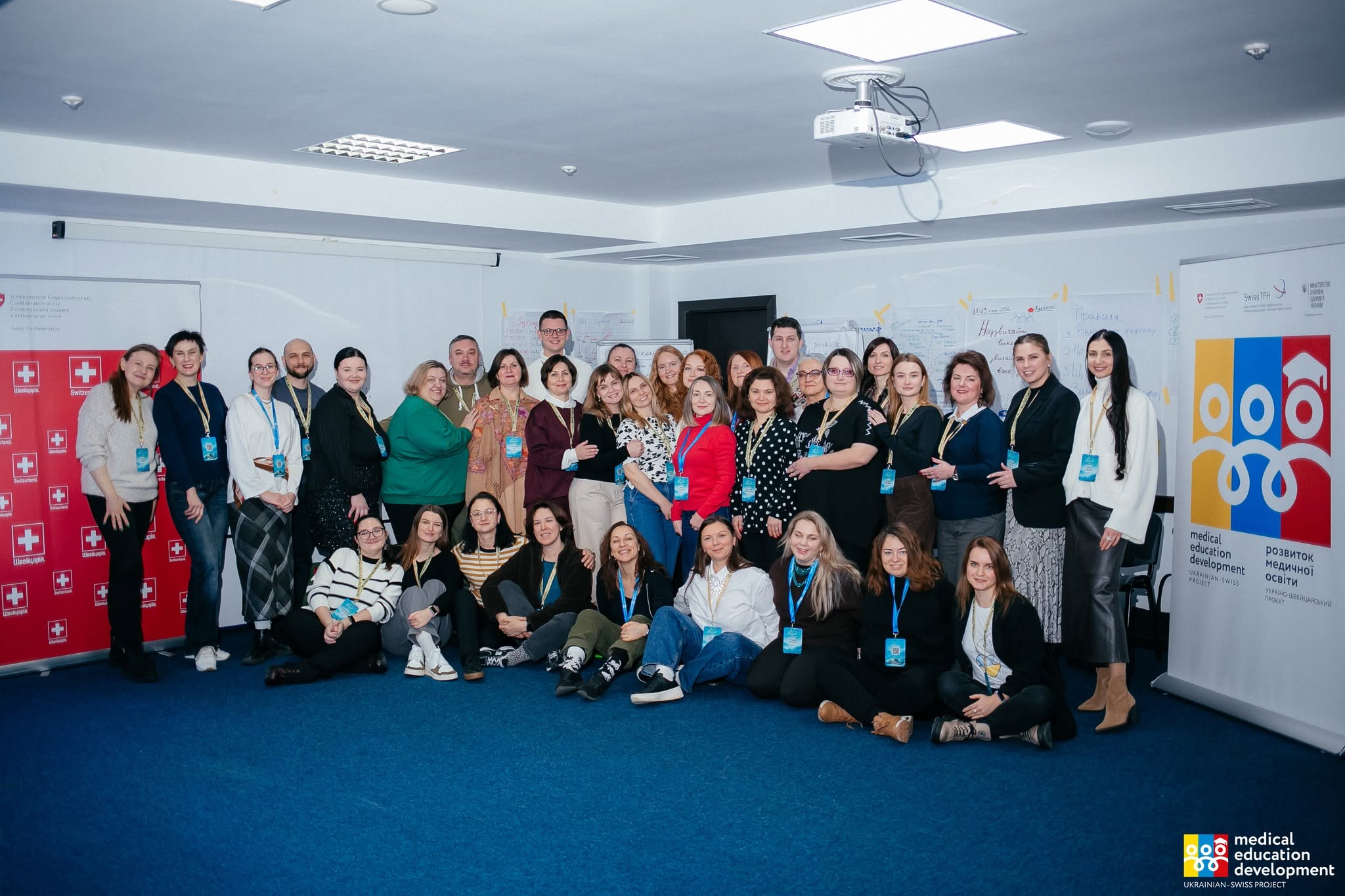
Winter Great Teachers Seminar held in the Carpathians
Поділитися
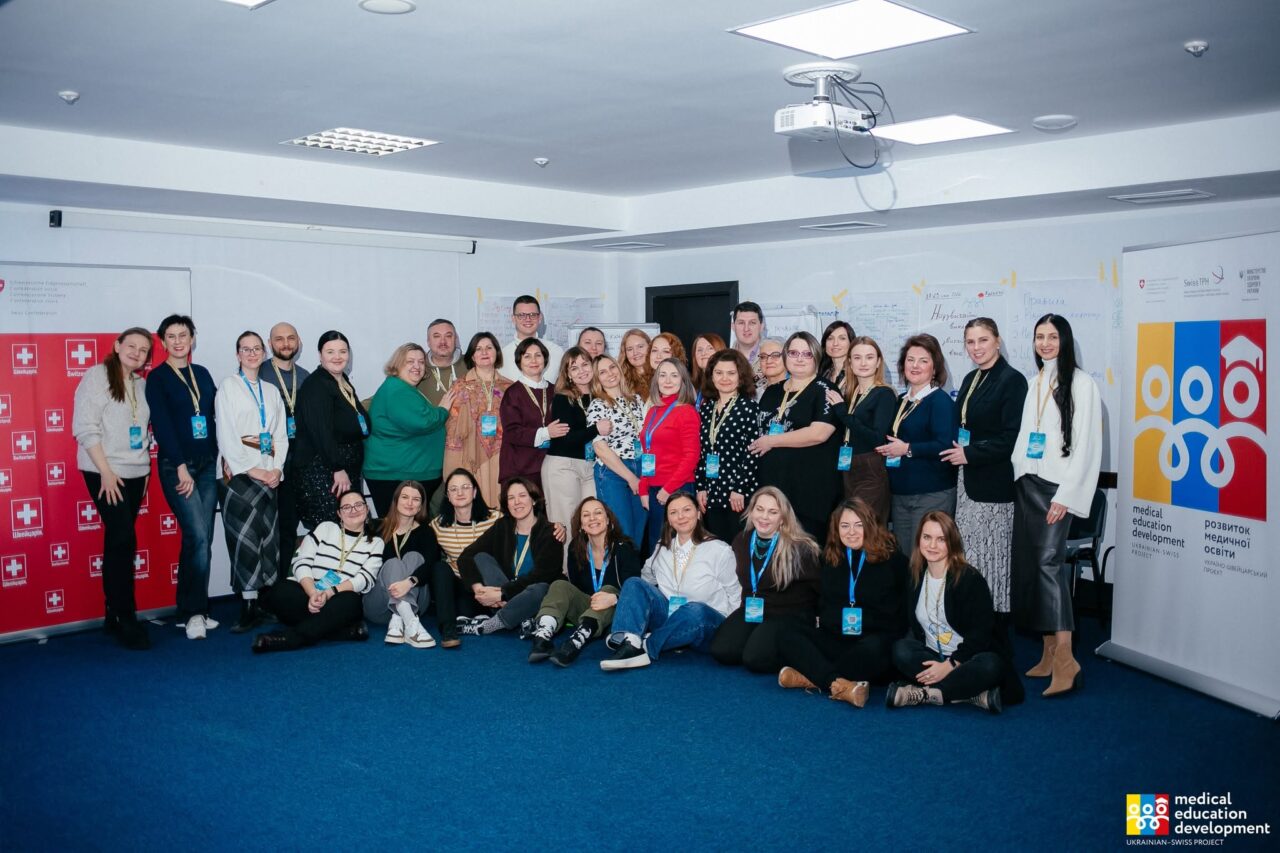
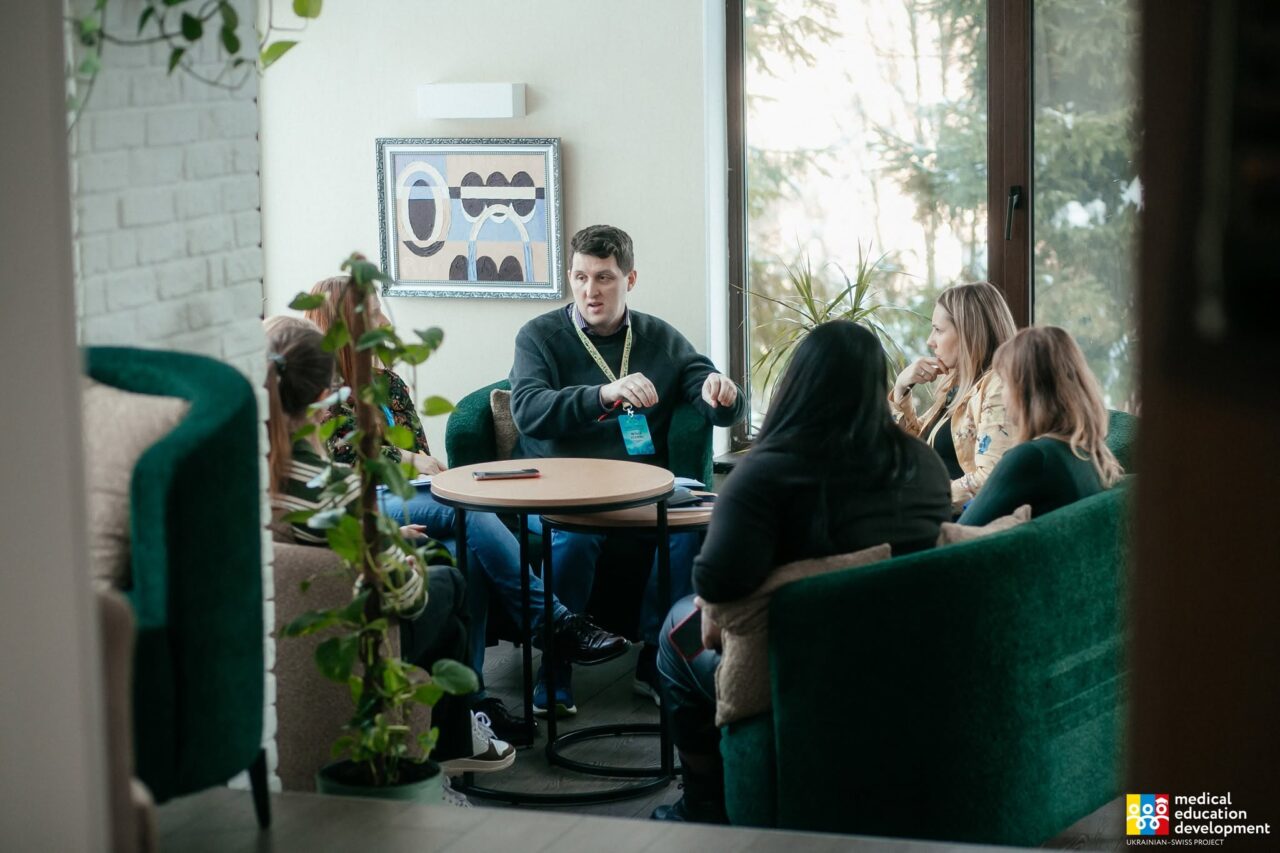
From January 18 to 23 in the Carpathians, we held the second Great Teachers Seminar. The permanent authors and facilitators of the seminar are Olha Bershadska, an educational consultant who knows how to create a space where you just want to be, and Nataliia Starynska, a trainer who masterfully moderated the event’s program and unlocks potential through precise questions.
Over two seminars — in June 2025 and January 2026 — 62 teachers from medical universities across Ukraine visited the Carpathians. And a figure that rarely occurs in educational formats: 100% of participants are satisfied and confirmed that they found themselves in a comfortable and productive atmosphere.
“We create a space where every teacher is a bearer of valuable experience. It doesn’t matter if you have one year of teaching or 40. As a result, this event without speakers becomes an event with 32 super-interesting speakers, deep conversations, and new connections between departments, disciplines, and universities,” Nataliia shares.
The format, as before, is modeled after the North American Great Teachers Seminar: there is no rigidly fixed program. Instead, a lot of attention is paid to finding questions that truly concern teachers and that they can influence. The seminar began by voicing real challenges from daily work, which were then discussed in small groups under one main rule: do not complain or criticize, but ask questions.
The location played its role once again — not only mental, but also physical distance from familiar roles and classrooms. In the context of the full-scale war, this distance proved to be a functional condition for deep learning. In their feedback, participants wrote in almost identical words: “For the first time in 3.5 years since the start of the full-scale invasion, I felt no anxiety,” “thoughts about the war occupied only 10% of my thoughts, instead of 90% as usual.”
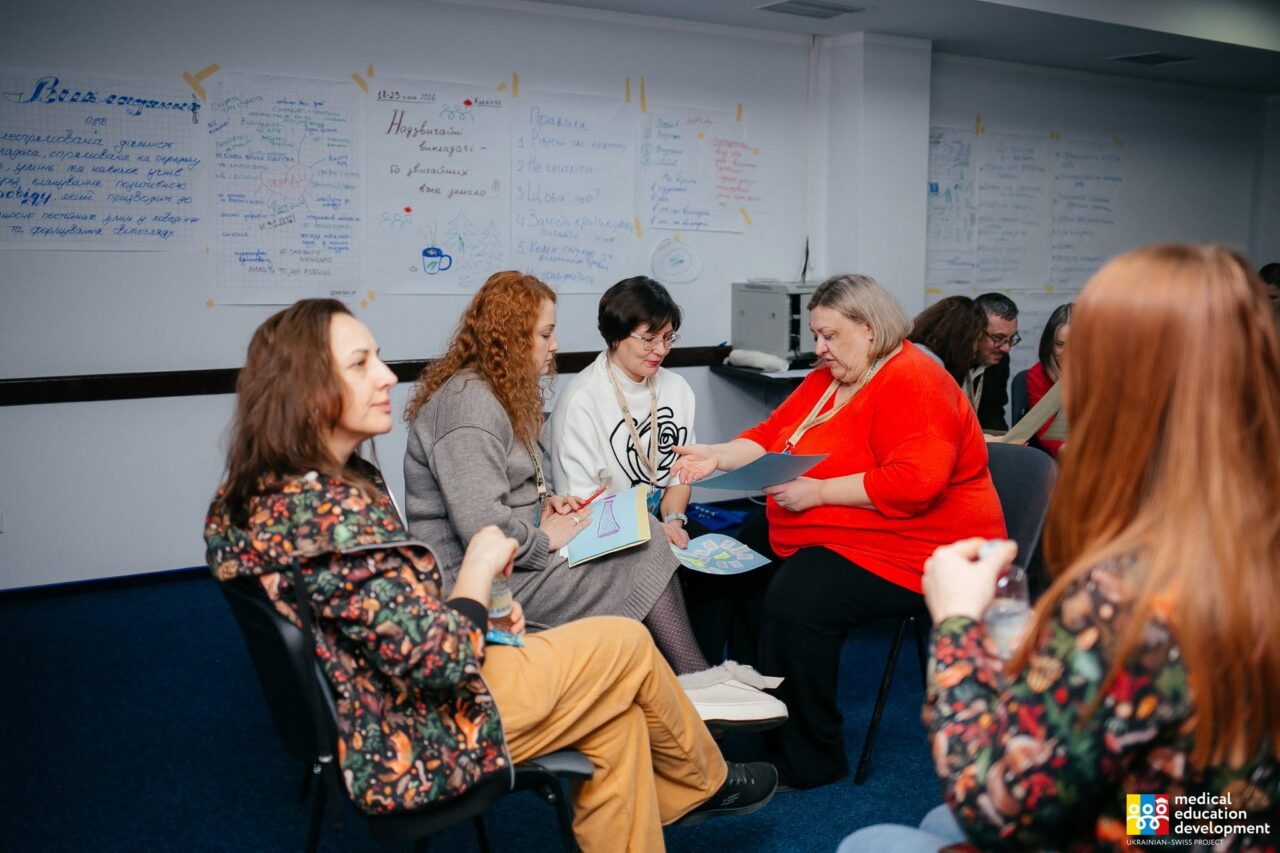
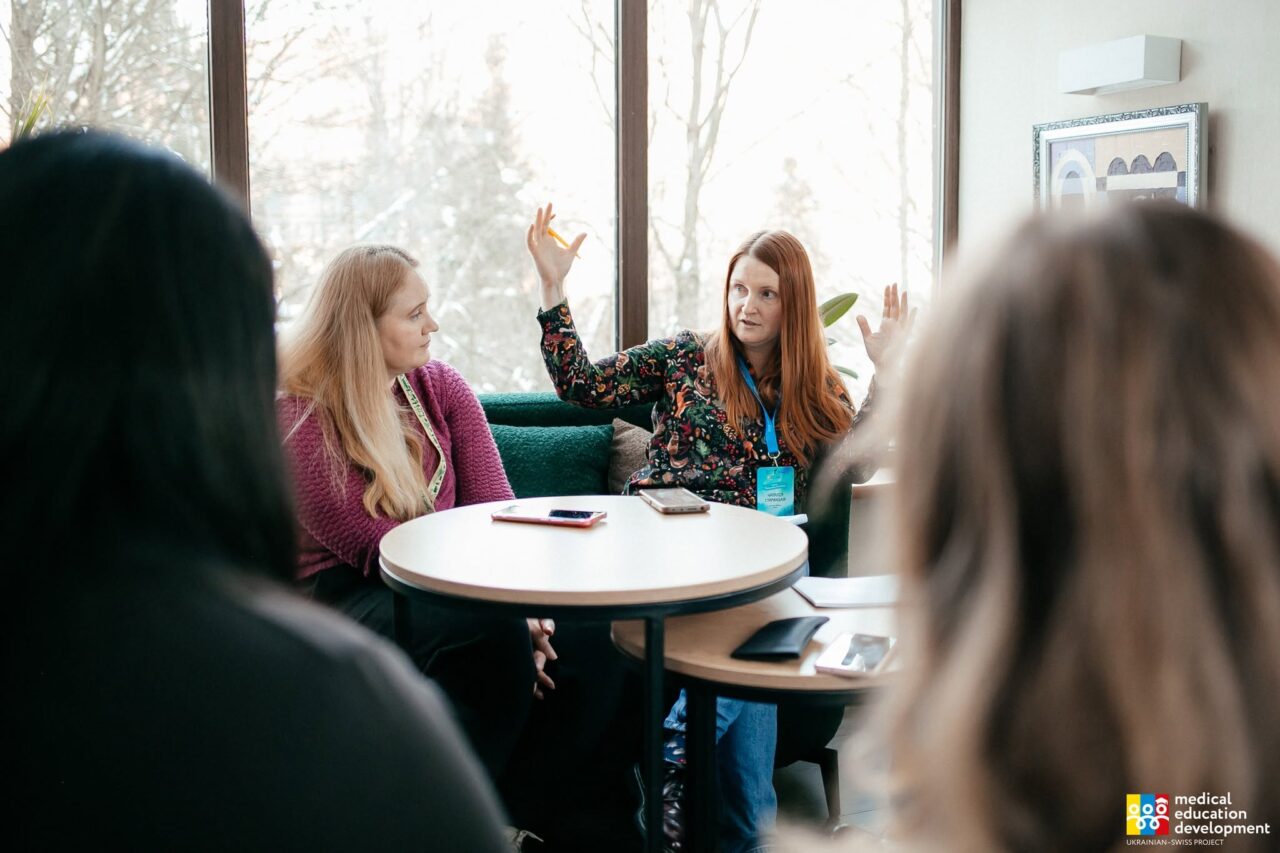
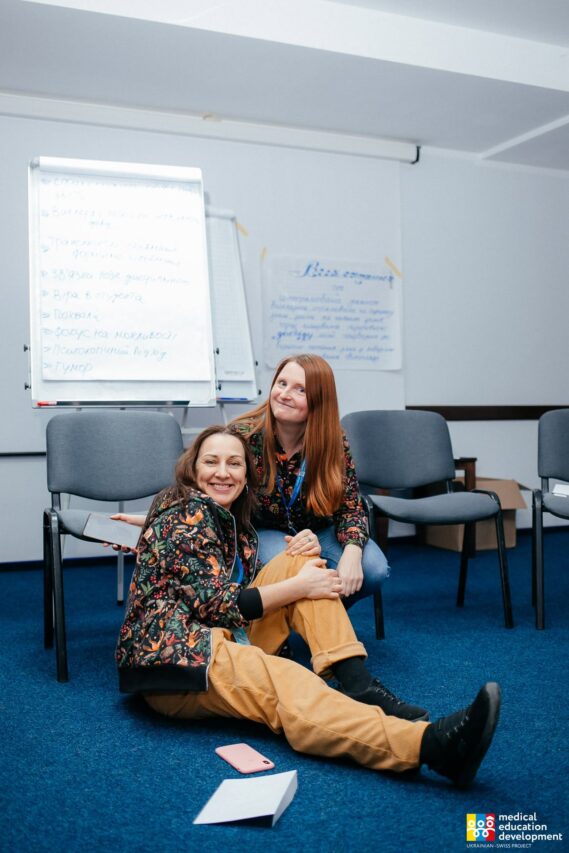
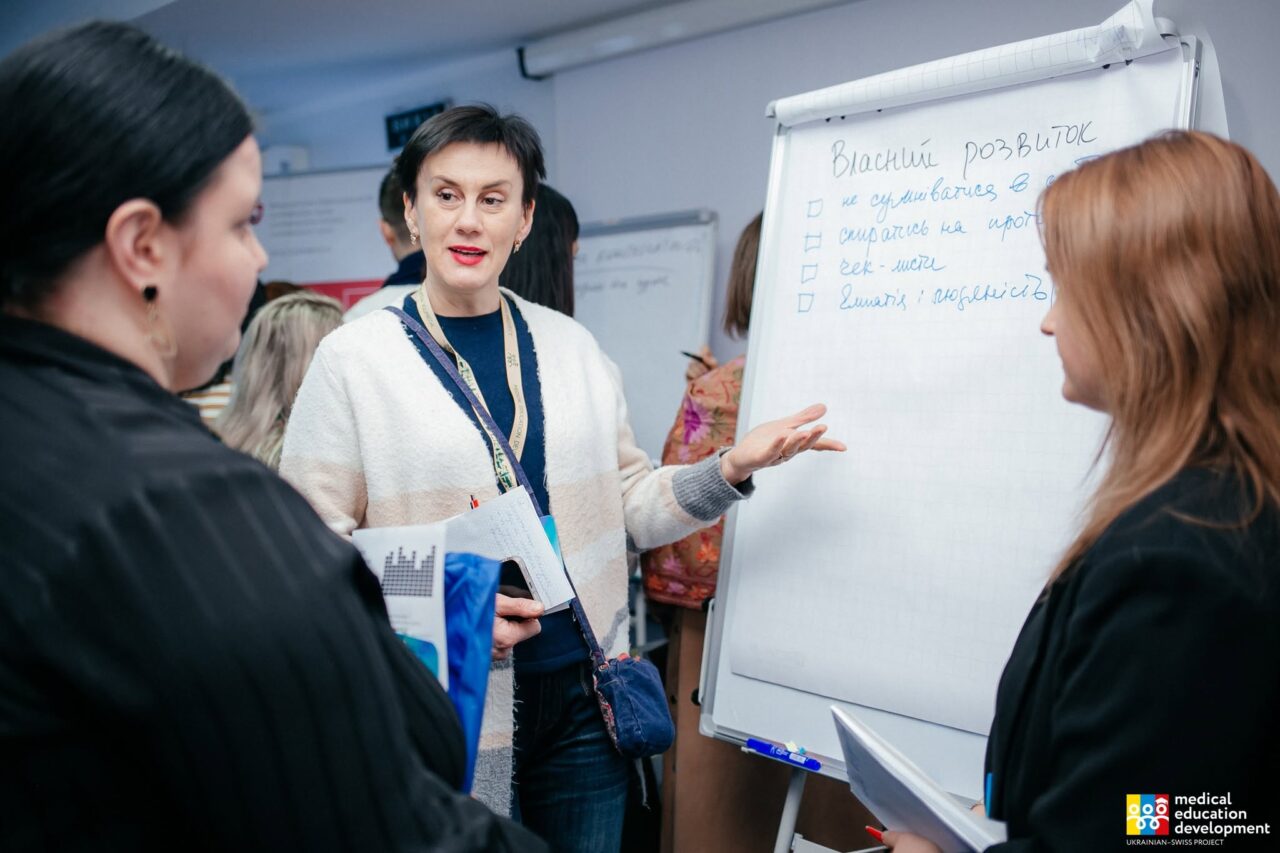
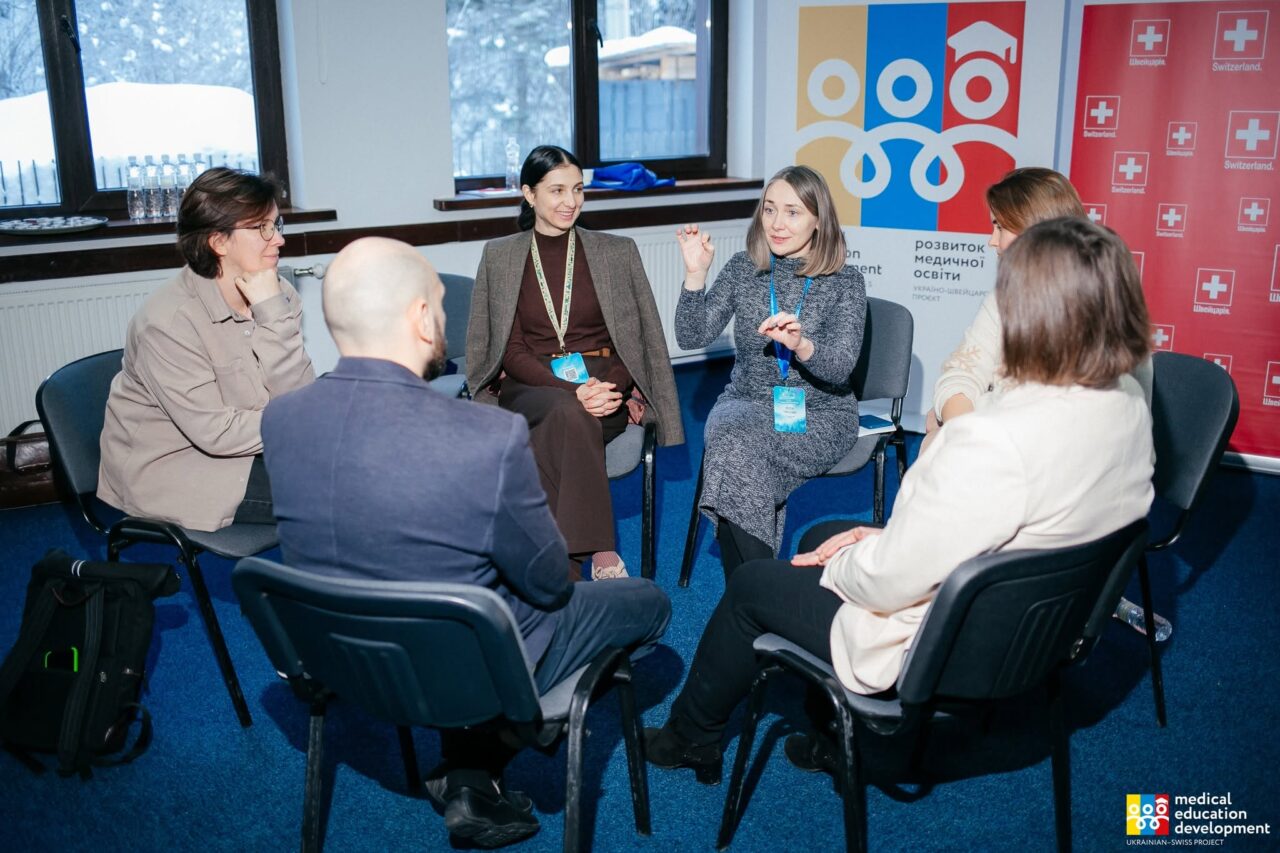
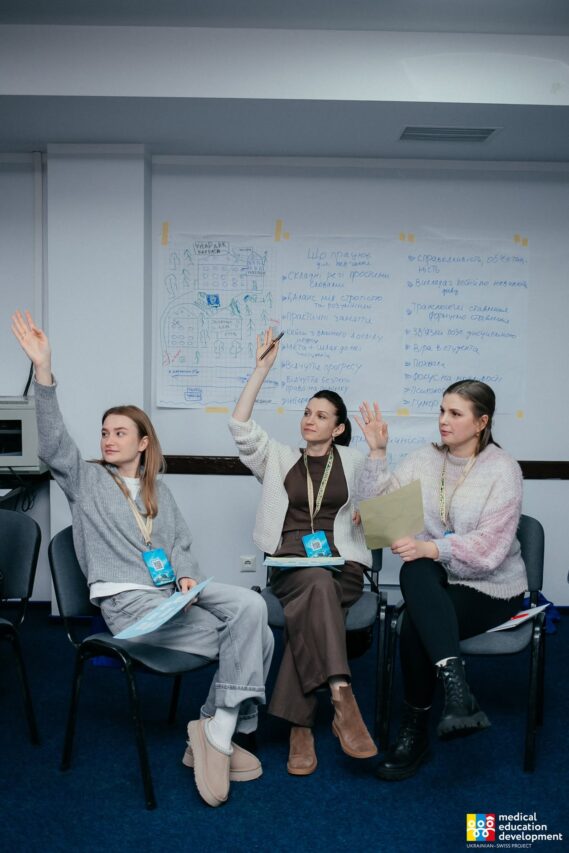
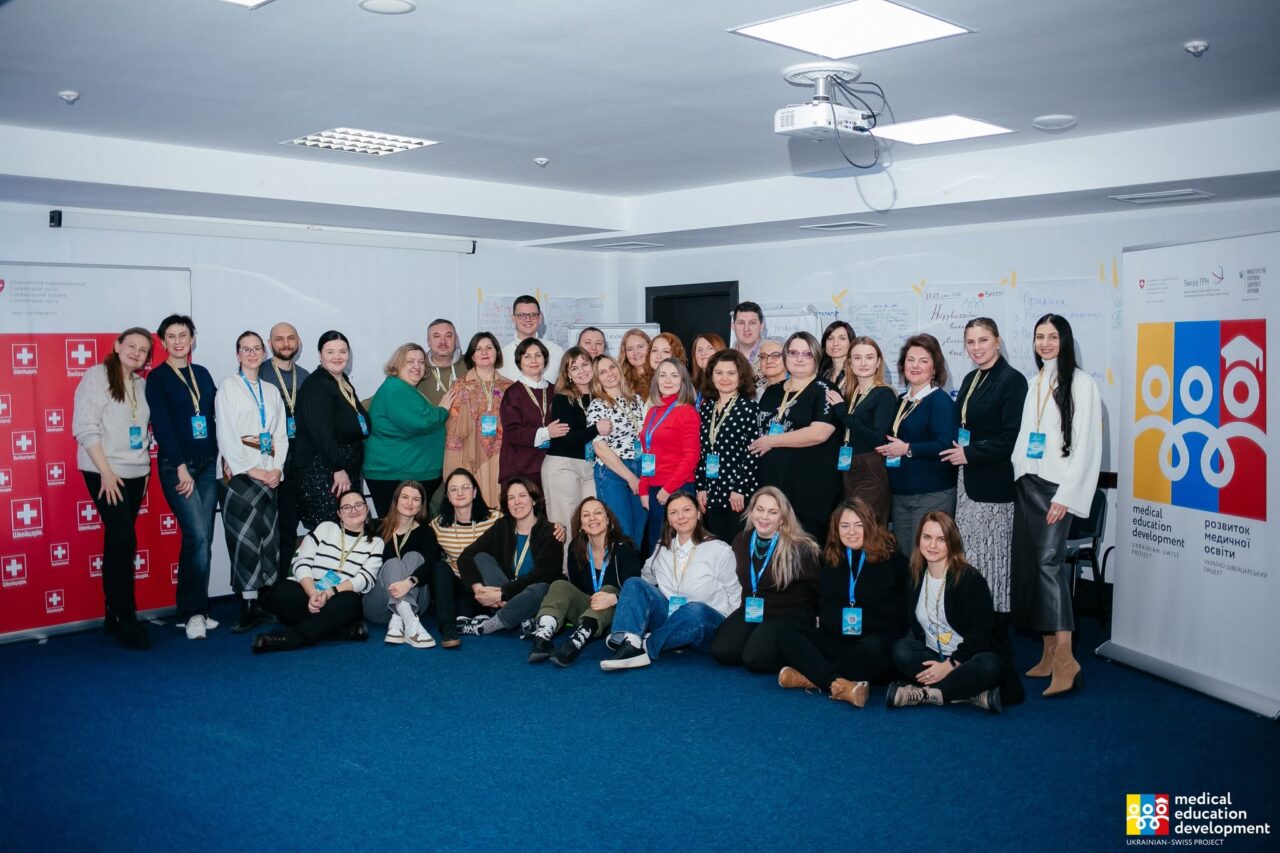
In addition to deep internal work, the seminar became a platform for exchanging practices. Participants most often mentioned the “polarities map”—a tool for recognizing getting stuck in work. Among other methods they took away: Dilts’ pyramid for self-analysis, the competency equalizer, and small-group reflection formats.
The participants themselves formulated the main insight of the winter seminar: “Don’t say no, think: how can I do this?”. And in the feedback, another thought was repeated almost verbatim by different people:
“I am not the only imperfect teacher. And not the only one whose students are sometimes unmotivated. The problems I came with were solved here—and even more.”
“I have the feeling of an old paradigm crumbling and new doors opening to education that teaches with the heart.”
The word “therapeutic” appears several times in the feedback, although the seminar consciously remains within the framework of professional training. Simply the format in which a teacher is finally heard and where they realize they are not alone—is healing in itself. Such an experience helps overcome professional loneliness: seeing that your difficulties are not unique, that others also doubt and get tired—and despite this, continue to change education.
The Great Teachers Seminar took place thanks to the openness of each participant and the belief that changes in medical education begin with each of us. And we are already preparing for the third seminar, which will traditionally be held in the Carpathians at the end of June.