How the Azov Camp Community Meeting Went
Поділитися
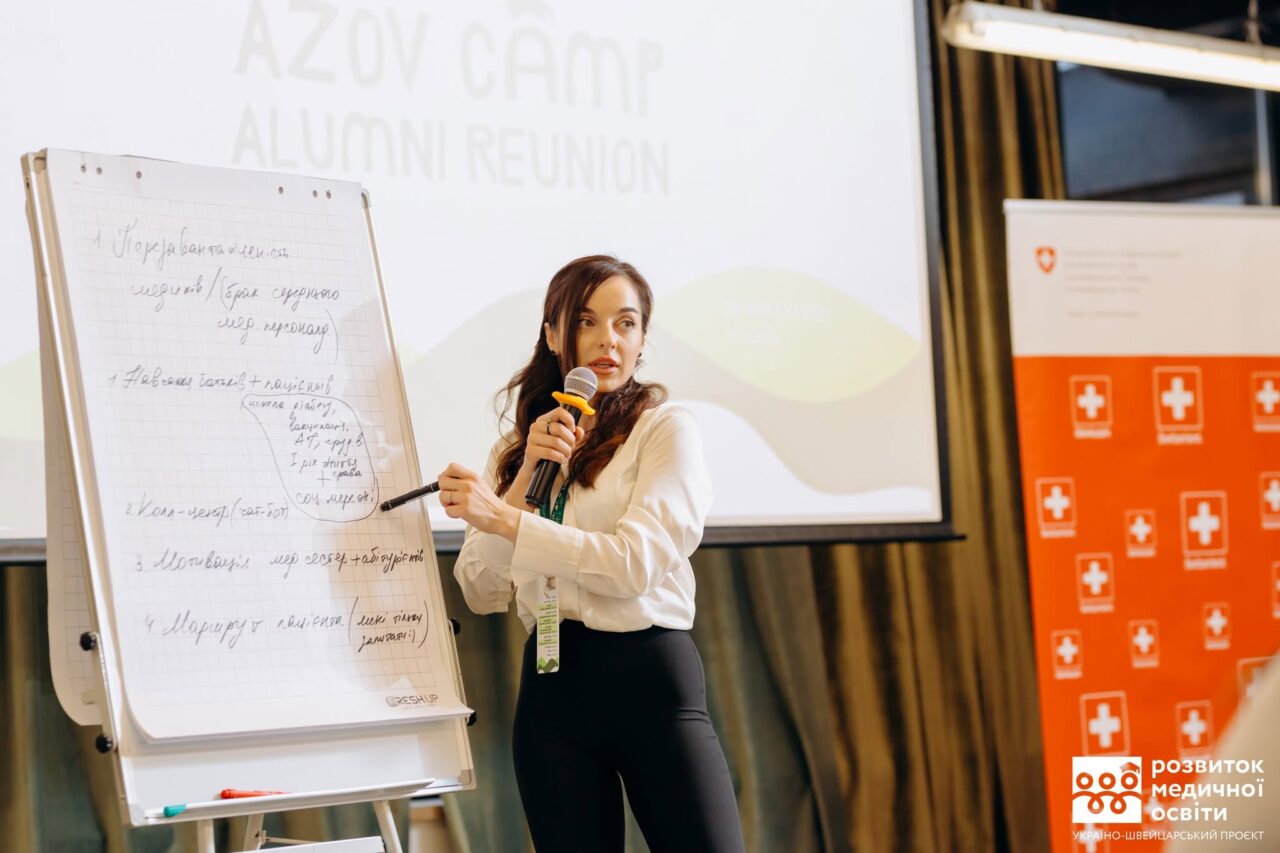
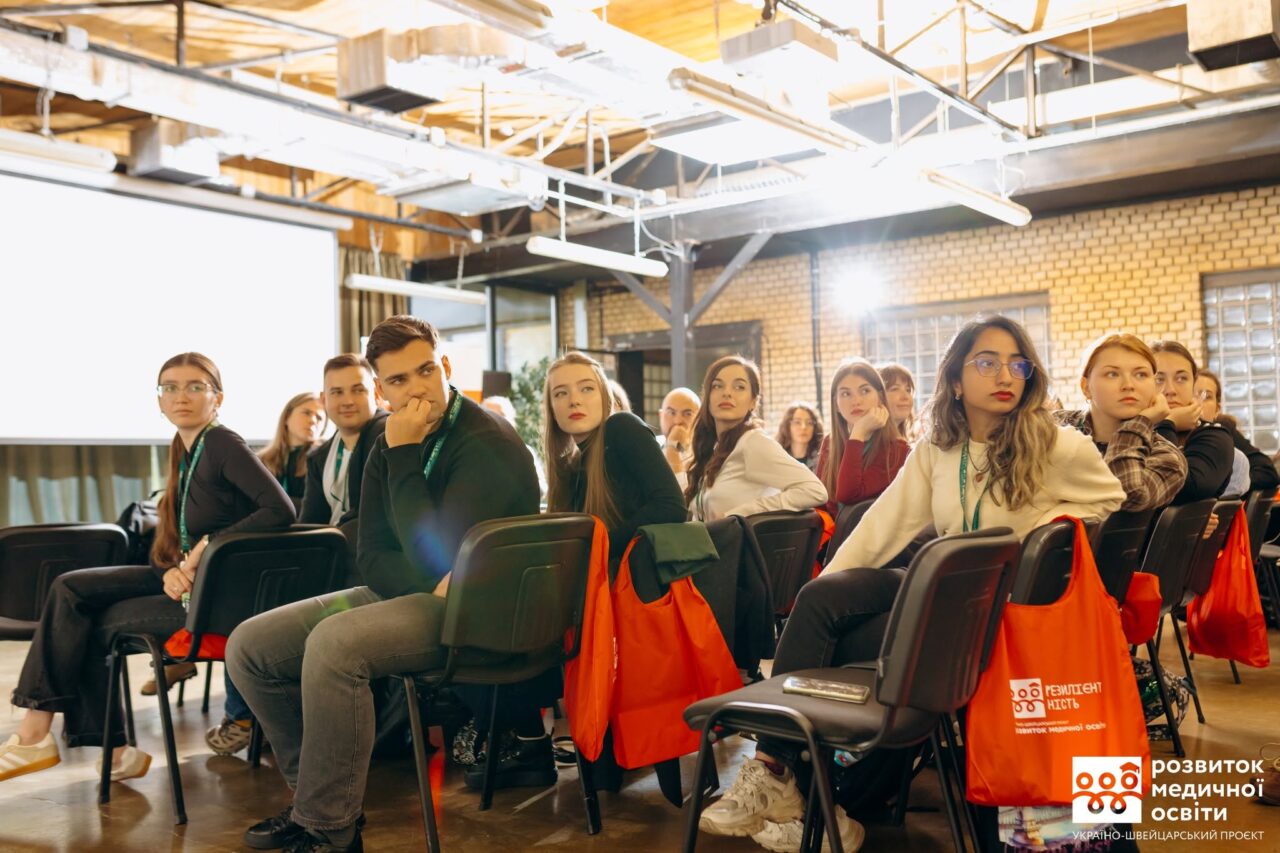
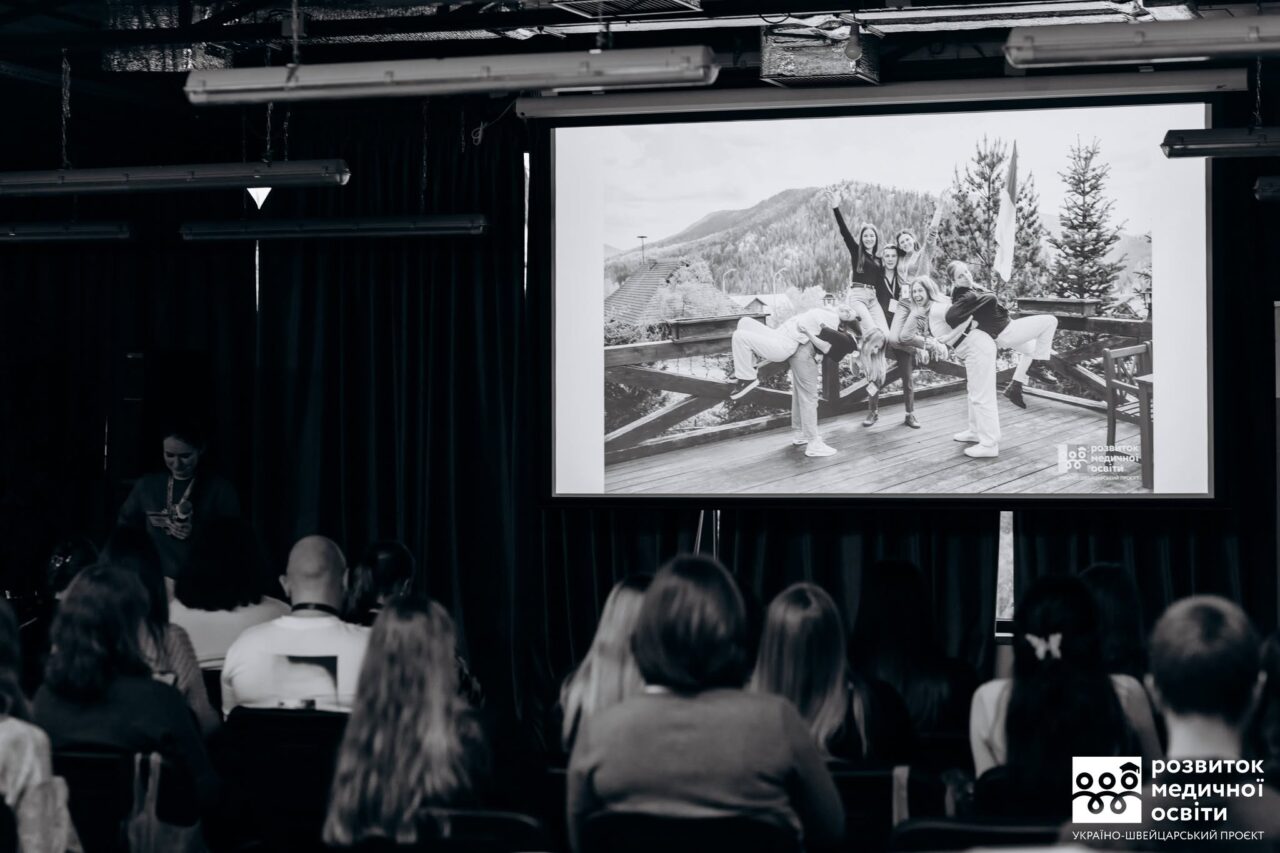
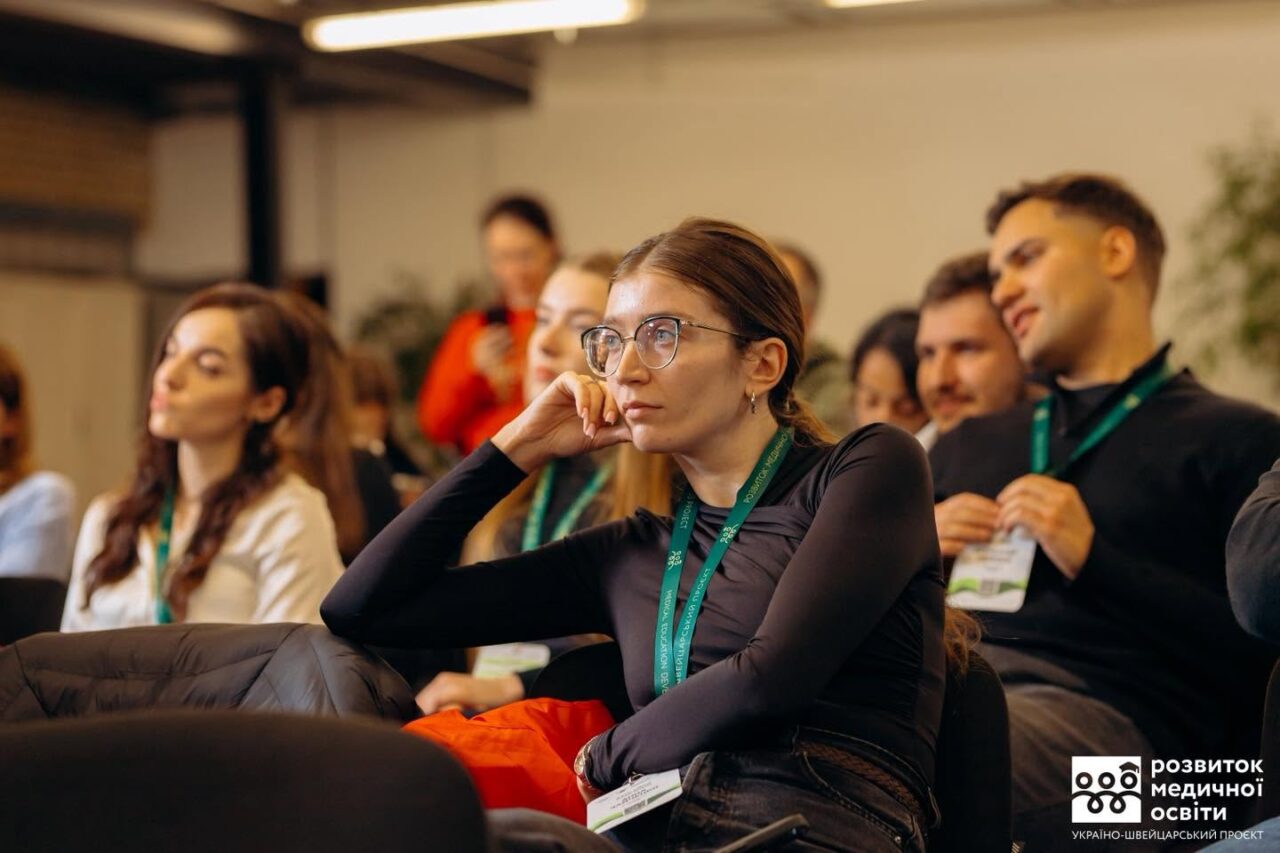
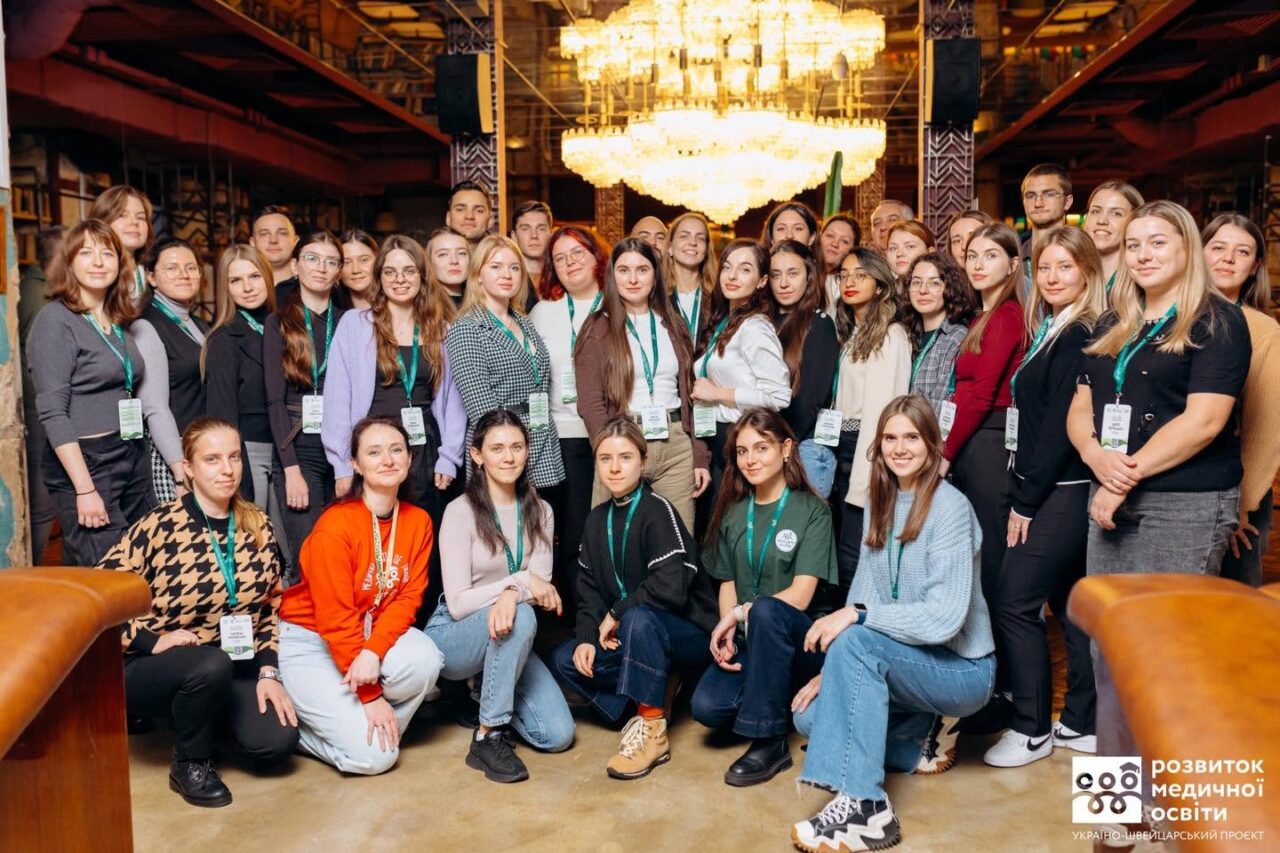
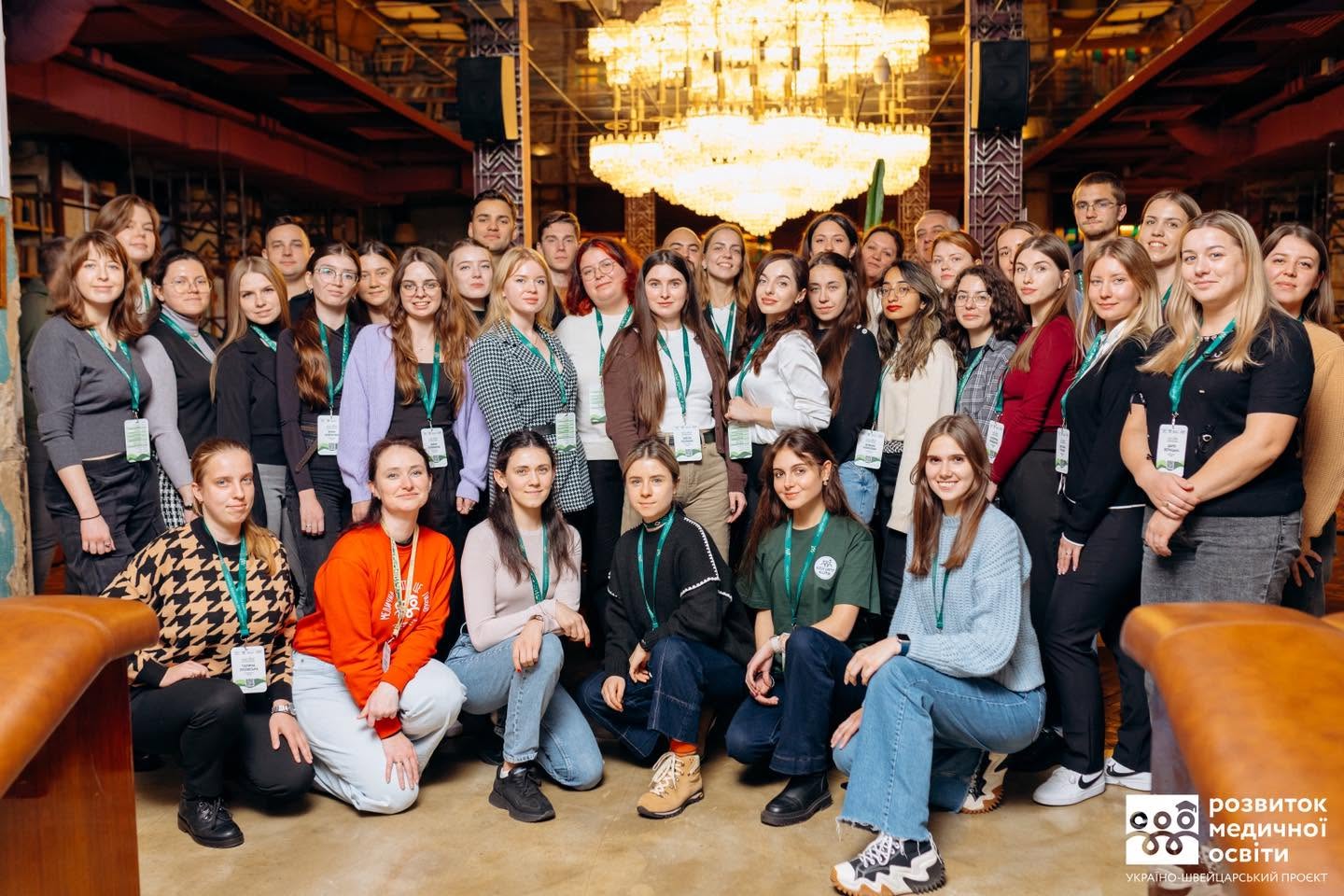
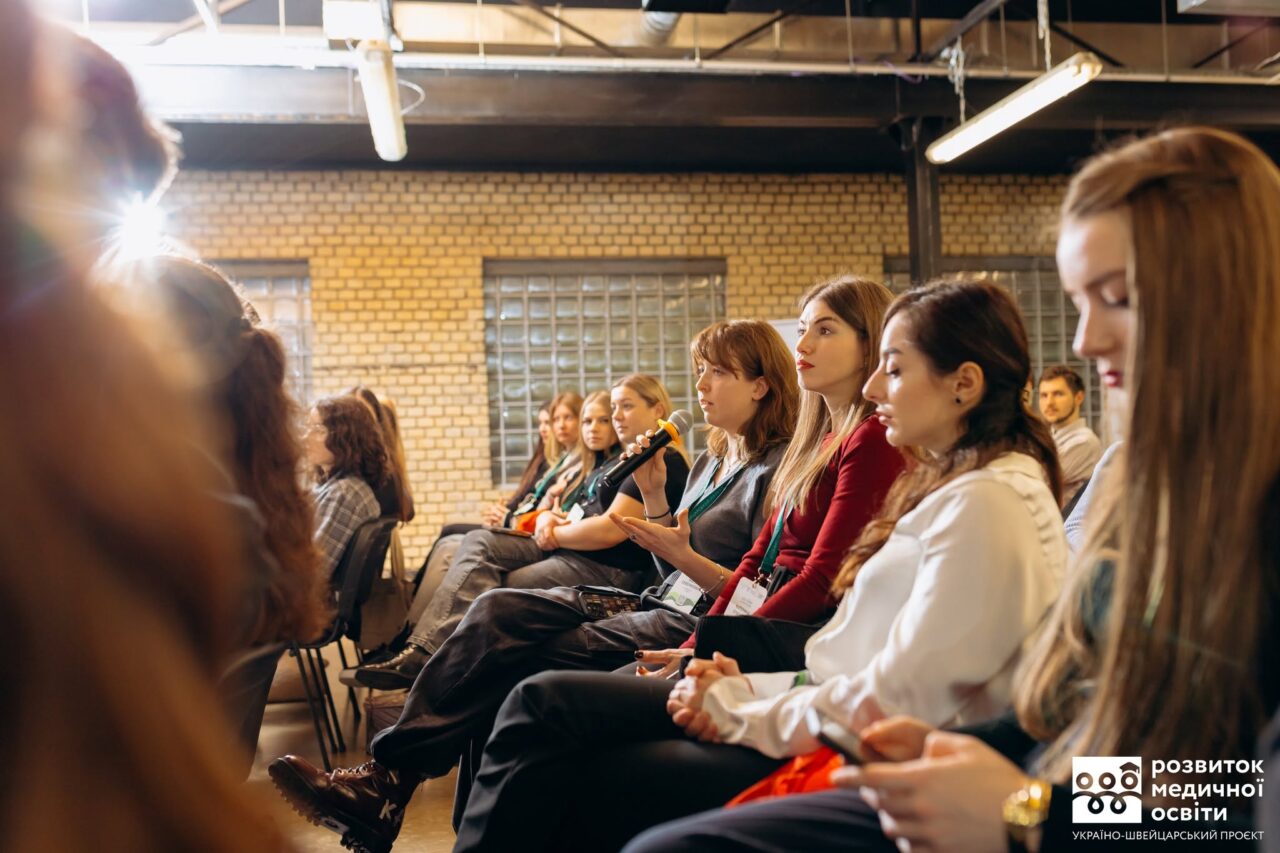
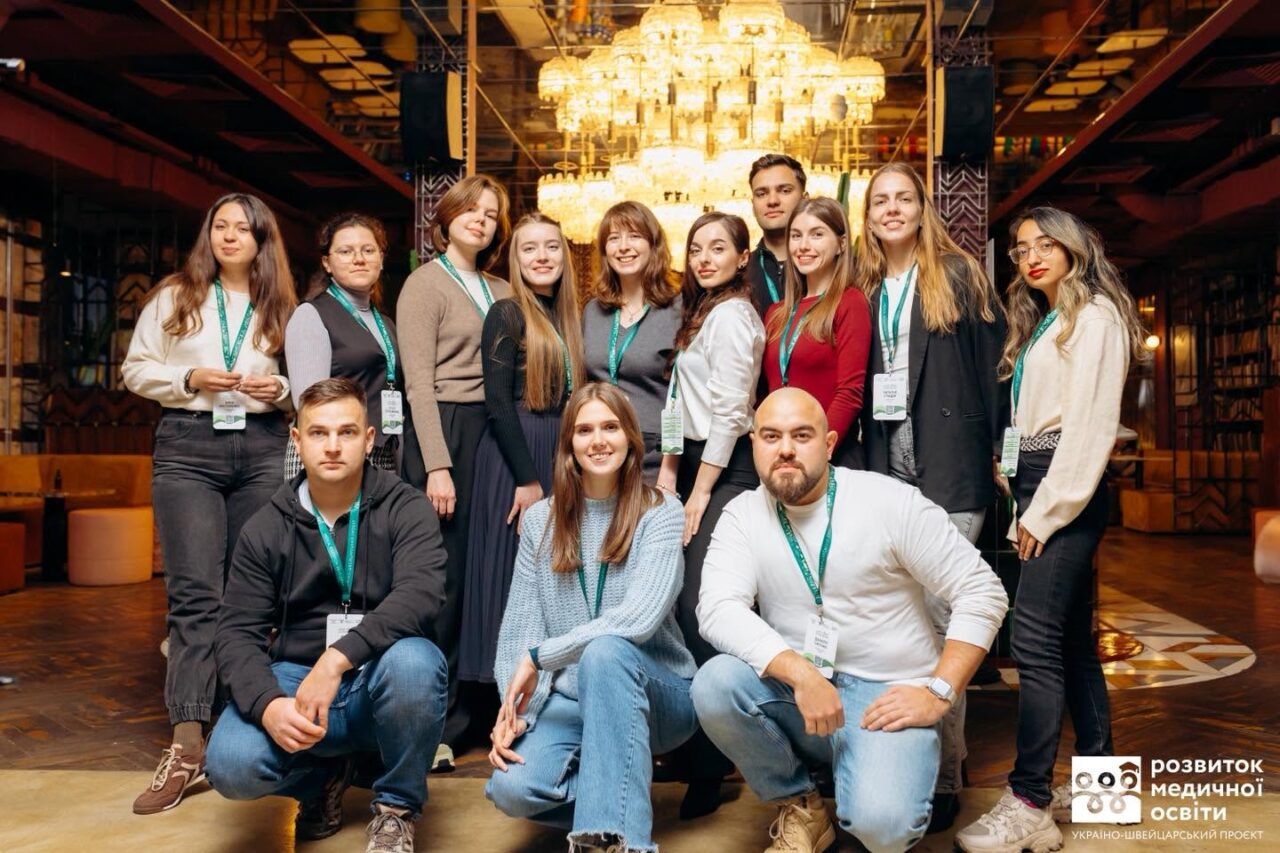
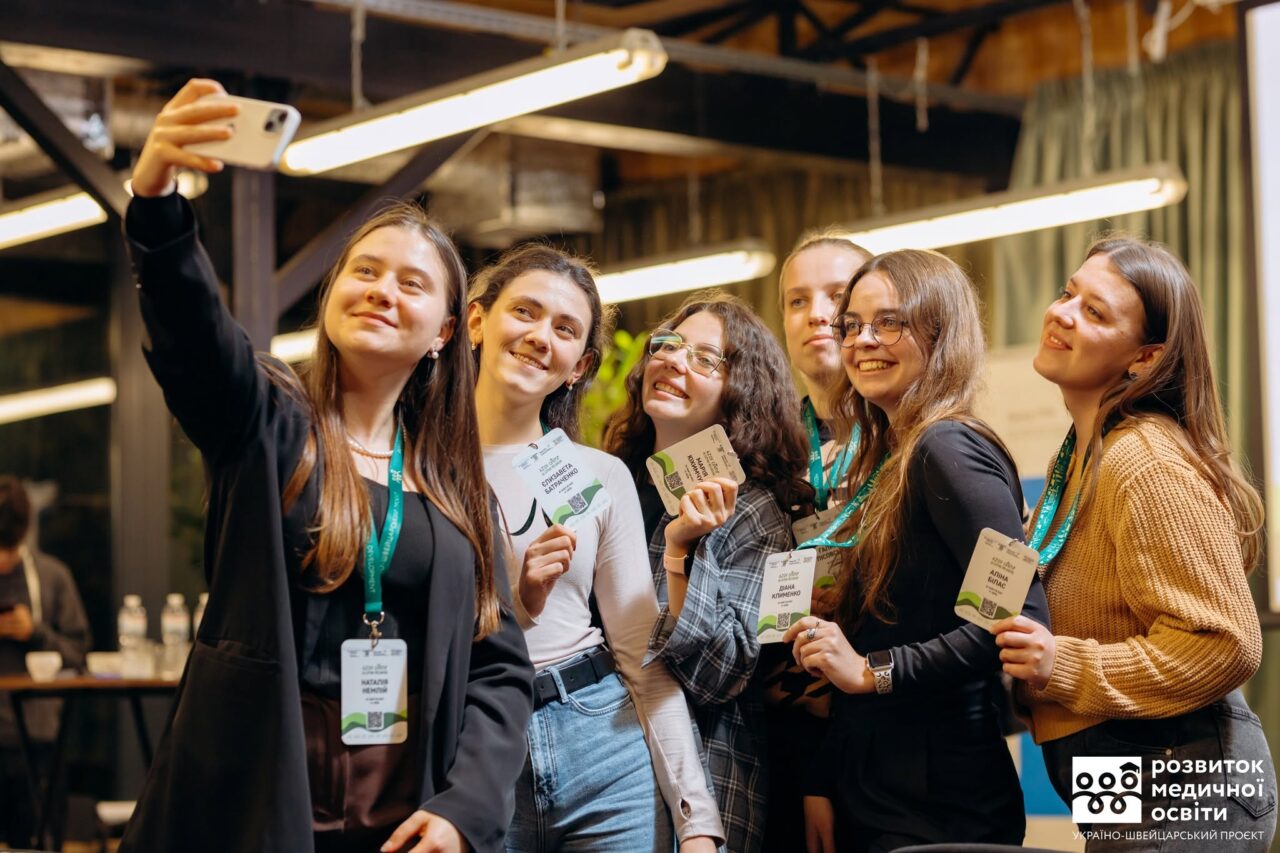
On 23 October, Kyiv hosted a meeting of Azov Camp of Family Medicine alumni from different years — an initiative supported by the Ukrainian-Swiss “Medical Education Development” Project to build lasting communities of like-minded people.
Our activities within the Project are primarily aimed at systemic change and long-term impact. We are convinced that it is not enough to conduct a single joint training or workshop; it is important to measure its impact and results over the years. That is why building lasting communities of like-minded people matters so much to us. The Azov Camp of Family Medicine has created exactly such a community — one that values professional communication and cooperation.
Today, this community brings together 85 young doctors, interns, and students who have shared a common learning experience at the Azov Camp of Family Medicine for Interns and stayed in touch. To support their thirst for continuous improvement and strengthen their sense of unity, we brought together alumni from different years in Kyiv.
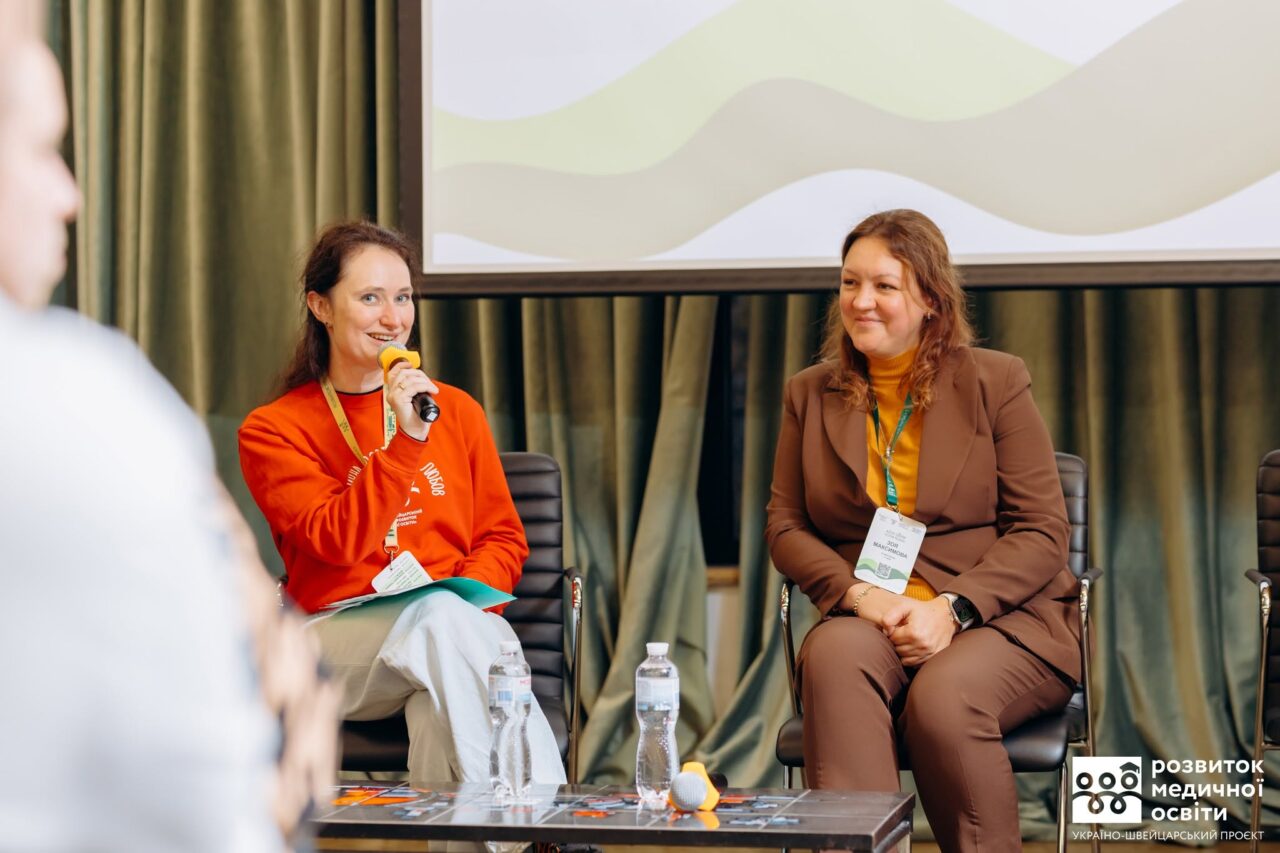
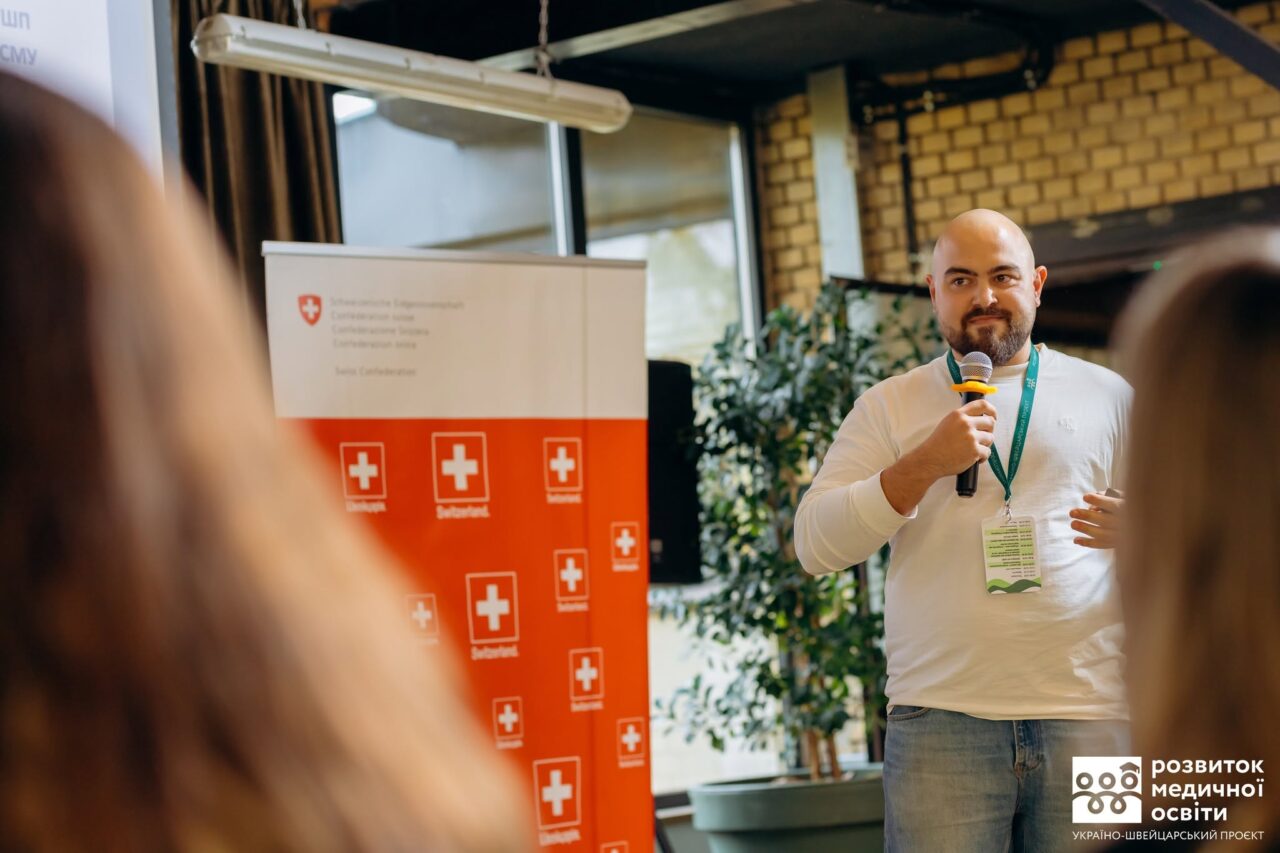
The programme of the event was shaped by the participants’ own requests. They identified relevant issues and suggested the topic for the discussion panel “Human Dignity and Medicine.” The invited speakers who took part in the discussion were:
- Serhiy Horishchak, neurosurgeon and director of Odesa Children’s City Polyclinic No 6 (COMPASS);
- Zoia Maksymova, doctor and Medical Director of the SVOI Palliative Care Centre;
- Anna Ostafiichuk, family doctor.
The aspects discussed included what dignity is, how not to lose it in relations with patients and colleagues, and how to ensure a decent attitude toward them.
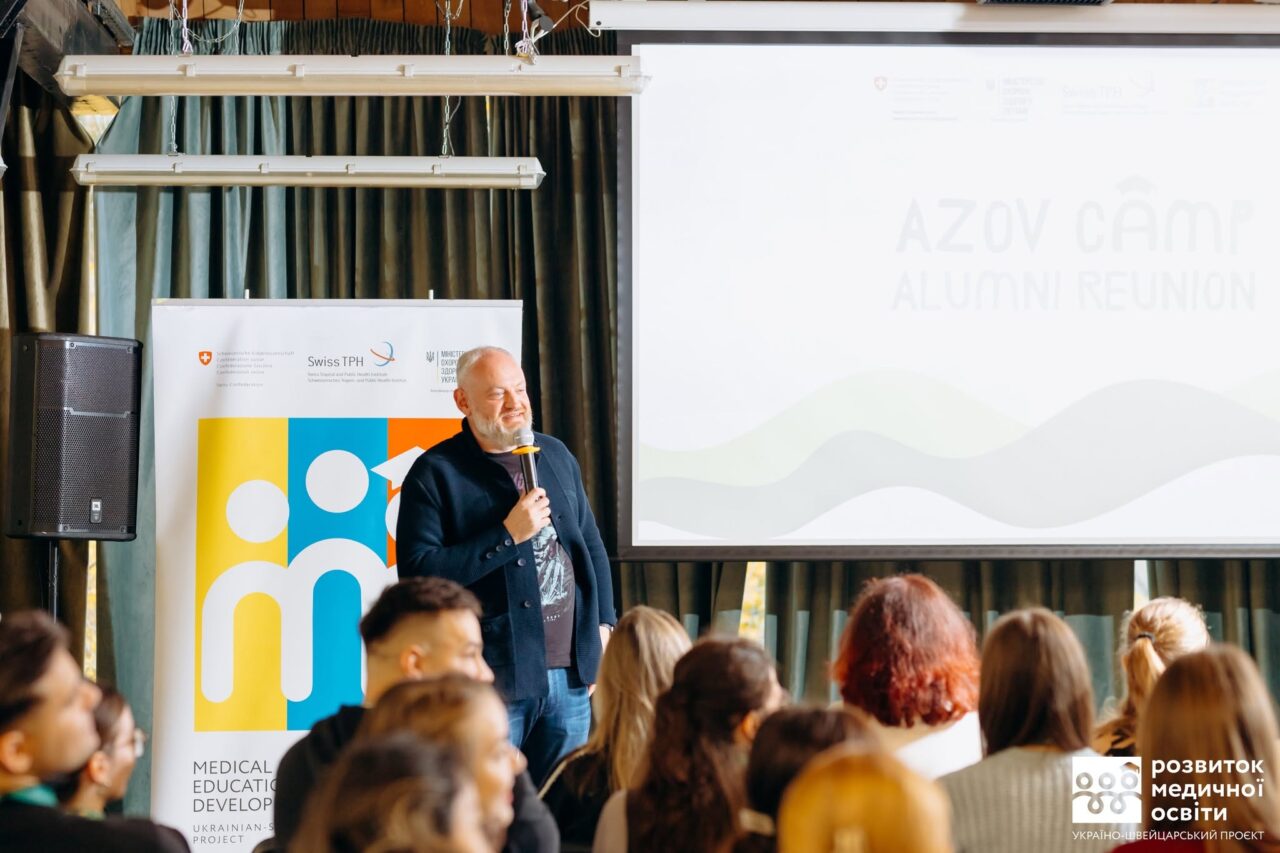
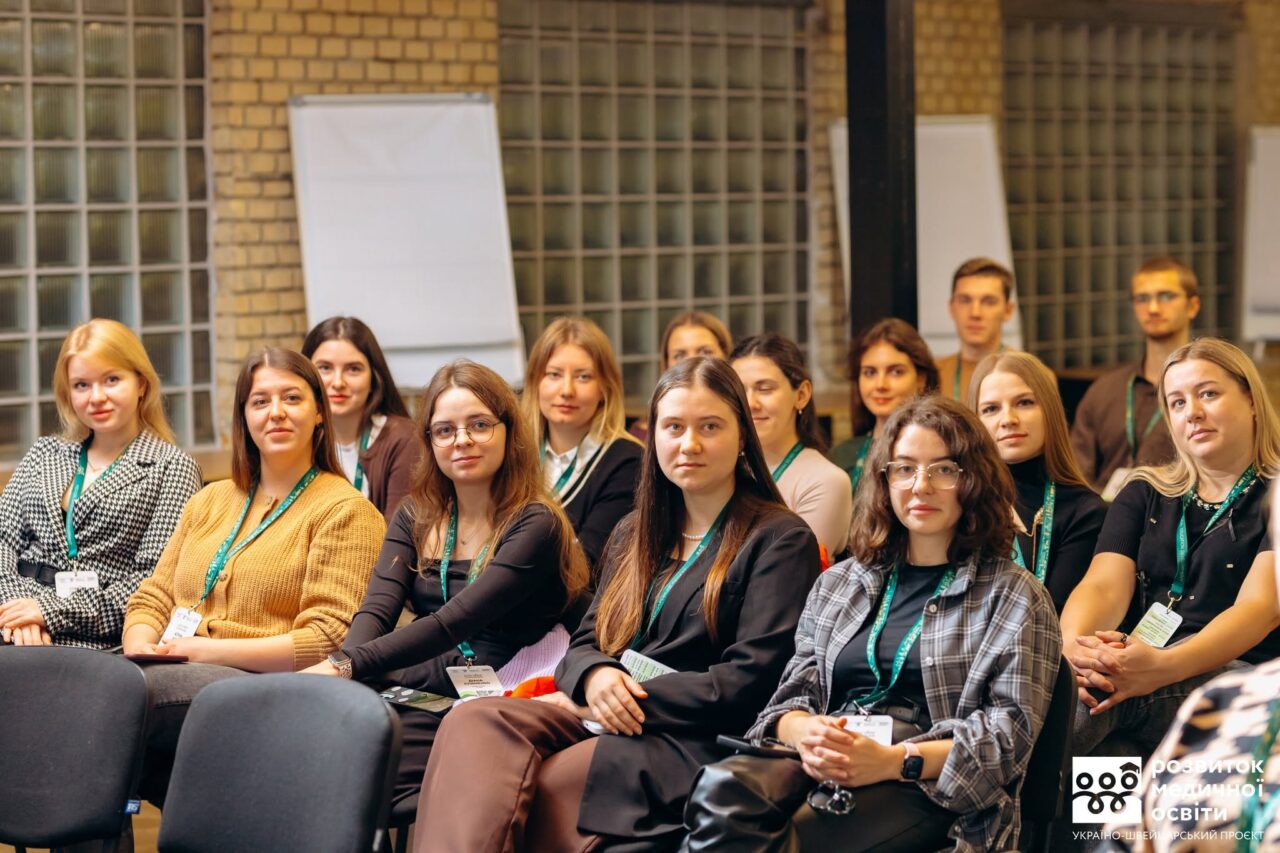
Participants shared stories about how the Azov Camp, which we have been holding since 2023, has influenced their further professional development:
- After participating in the camp, family doctor Zeineb Khalil did not leave the ideas she came up with during the training in a “for later” folder. Together with a colleague she met in her peer group, she founded “Mentalab,” a non-governmental organisation focused on health education and raising awareness of medical knowledge. At the same time, Zeineb initiated the creation of a product for colorectal cancer prevention, turning training and professional networking into concrete solutions with real impact. At the invitation of colleagues from different regions of Ukraine, she also gives lectures at peer group meetings.
- Family doctor Anna Nesterenko has launched an updated family medicine internship (internatura) programme at her primary health care centre under the Boyarka Town Council. She not only revised the approach to training but also created a handbook for interns — a practical guide for their adaptation at the facility. This year, one of the camp alumni who graduated from university was assigned to an internship at Anna’s facility through the electronic distribution system. This is how the professional community turned into a real development trajectory — from studying to a first job.
- Danylo Sytnyk started working as a doctor for local charities before the first Azov Camp in 2022, but, according to him, it was his participation in the 2023 Camp that became a turning point: it broadened his horizons and his understanding of how international medical projects work. After that, he actively applied for vacancies at international organisations and, in 2024, became a voucher officer at the French organisation PUI, where, together with Ukrainian and French colleagues, he implemented a project to provide medicines to more than 2,000 patients in Izium, involving an IT company, two large pharmacy chains, and doctors from local primary care centres. The Azov Camp 2024 taught Danylo the basics of public speaking (following the example of Camp facilitators and trainers) and systemic thinking, which helped him communicate more effectively with local communities and the professional community. The trainings for peer group facilitators supported by our Project (Anastasiia Gibeskul, Maryna Opalenko, Kateryna Pochtar) and by AFMU trainers (Iryna Voloshyna, Vadym Vus) brought him back to practical medicine, so when the opportunity arose to become medical director and doctor at a clinic run by an American Protestant humanitarian organisation, he applied and received a job offer. Today, Danylo Sytnyk coordinates more than 20 locations, one of which is located 10 km from the frontline.
- In 2024, family doctor Kateryna Zinkevych trained as a facilitator and immediately started holding meetings at her facility. Now, together with a colleague, she is working to complete all the necessary procedures and officially approve the format at the institutional level, with the possibility of awarding CPD points. For Kateryna, facilitation and the peer group have become not only a professional tool but also a personal support. She speaks of the power of the facilitator community as a resource that helps her stay strong, keep developing, and not be left alone with challenges.
- Intern doctor Valeriia Velychko organises a book club for alumni so that the conversations that started during the programme do not end with the programme. It is a space of trust, ideas, and support that keeps the community together.
Speaking of the latter, we also organised a discussion of Tara Westover’s Educated together with Matviy Khrenov, a promoter of mindful reading and co-founder of the Ukrainian Healthcare Centre (UHC).
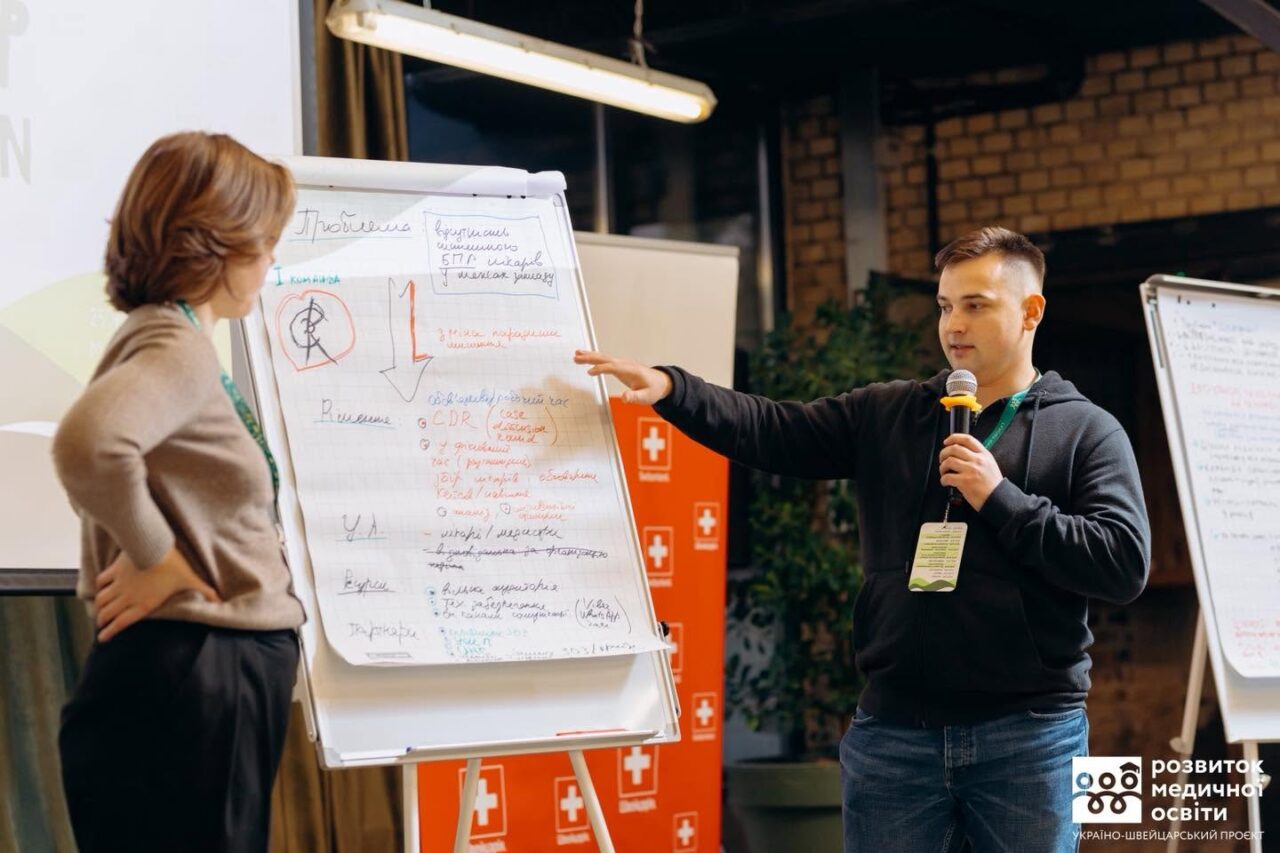
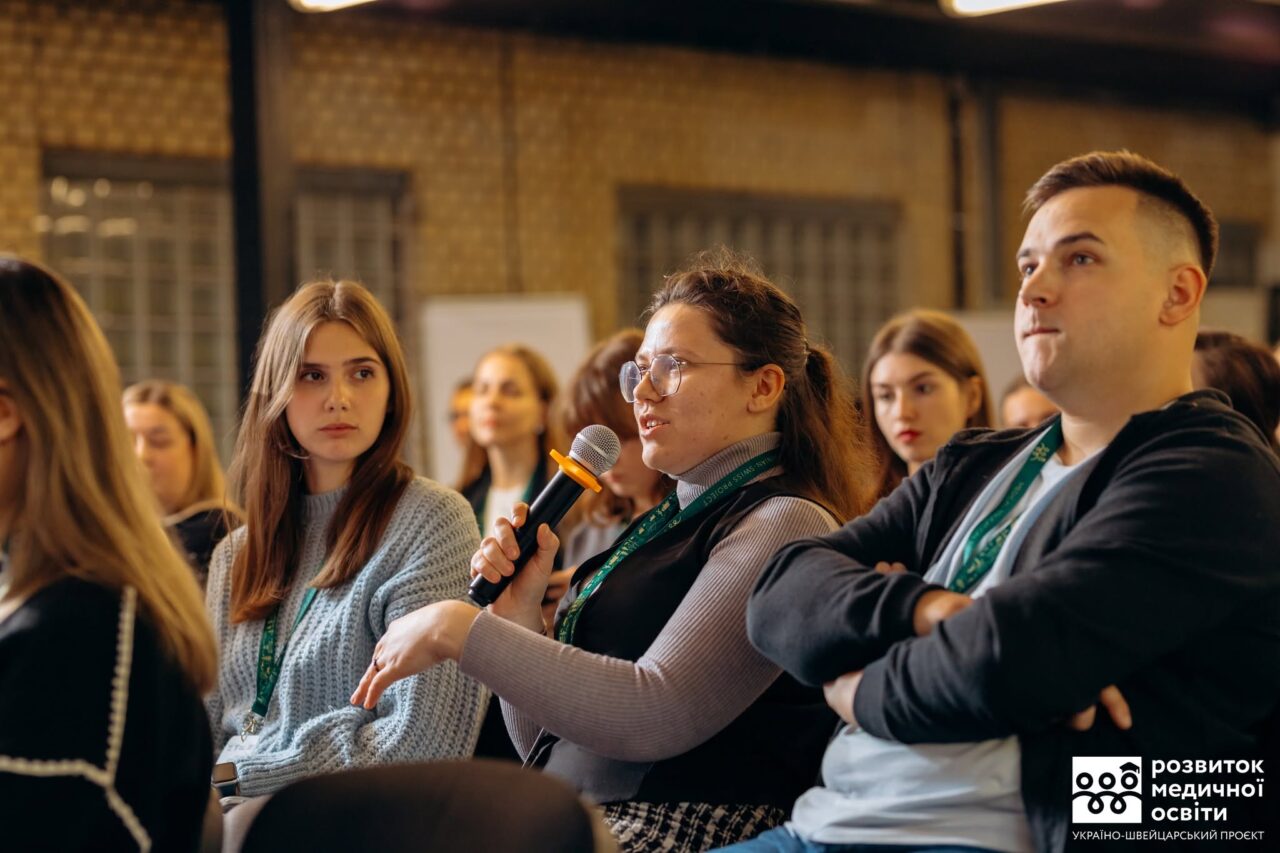
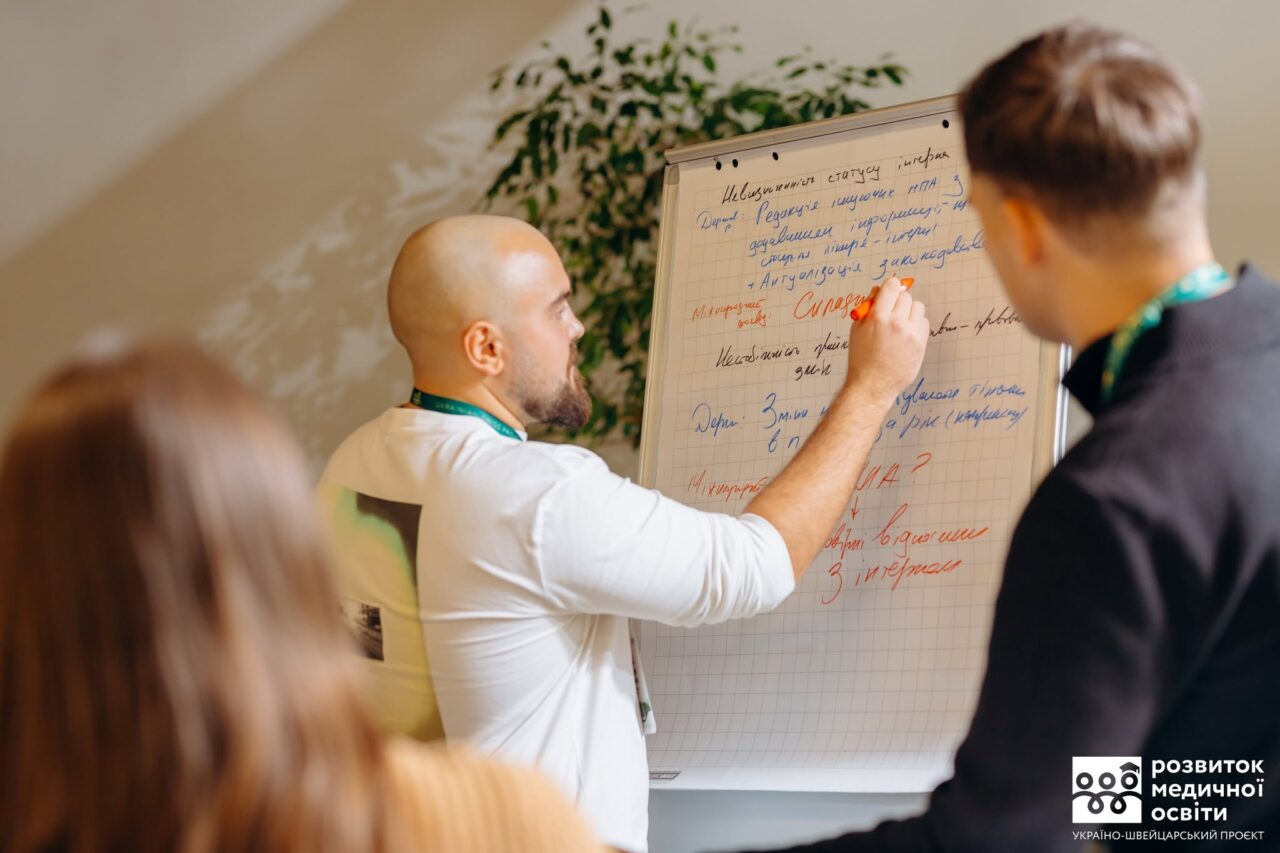
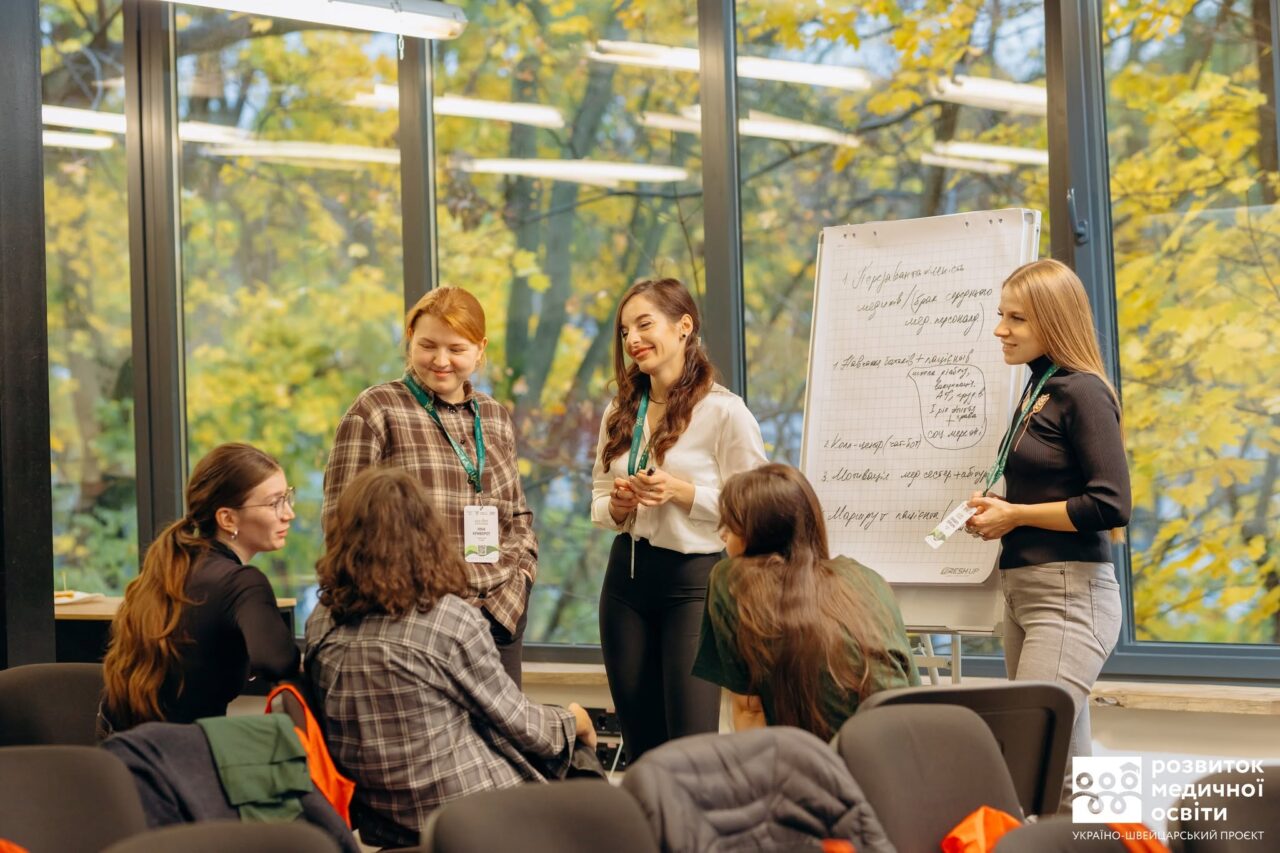
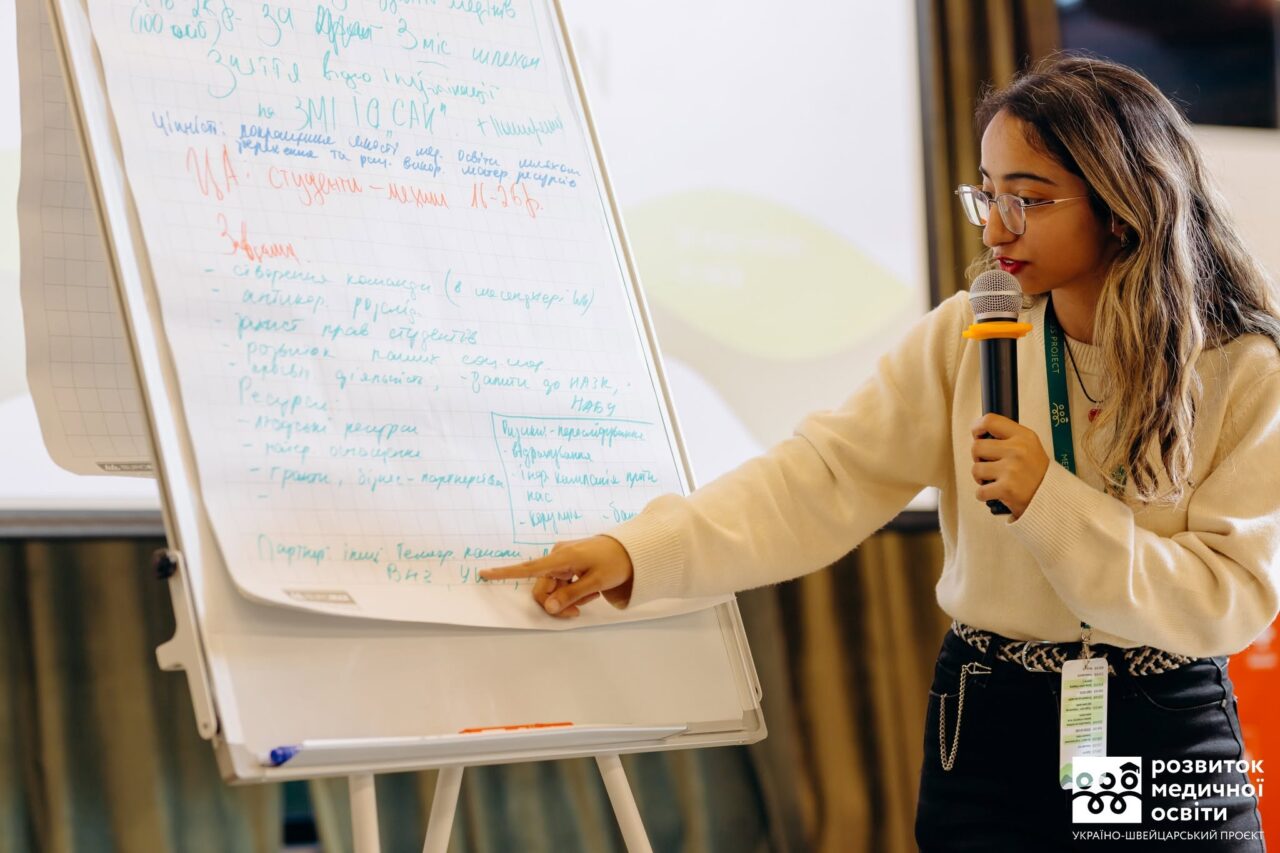
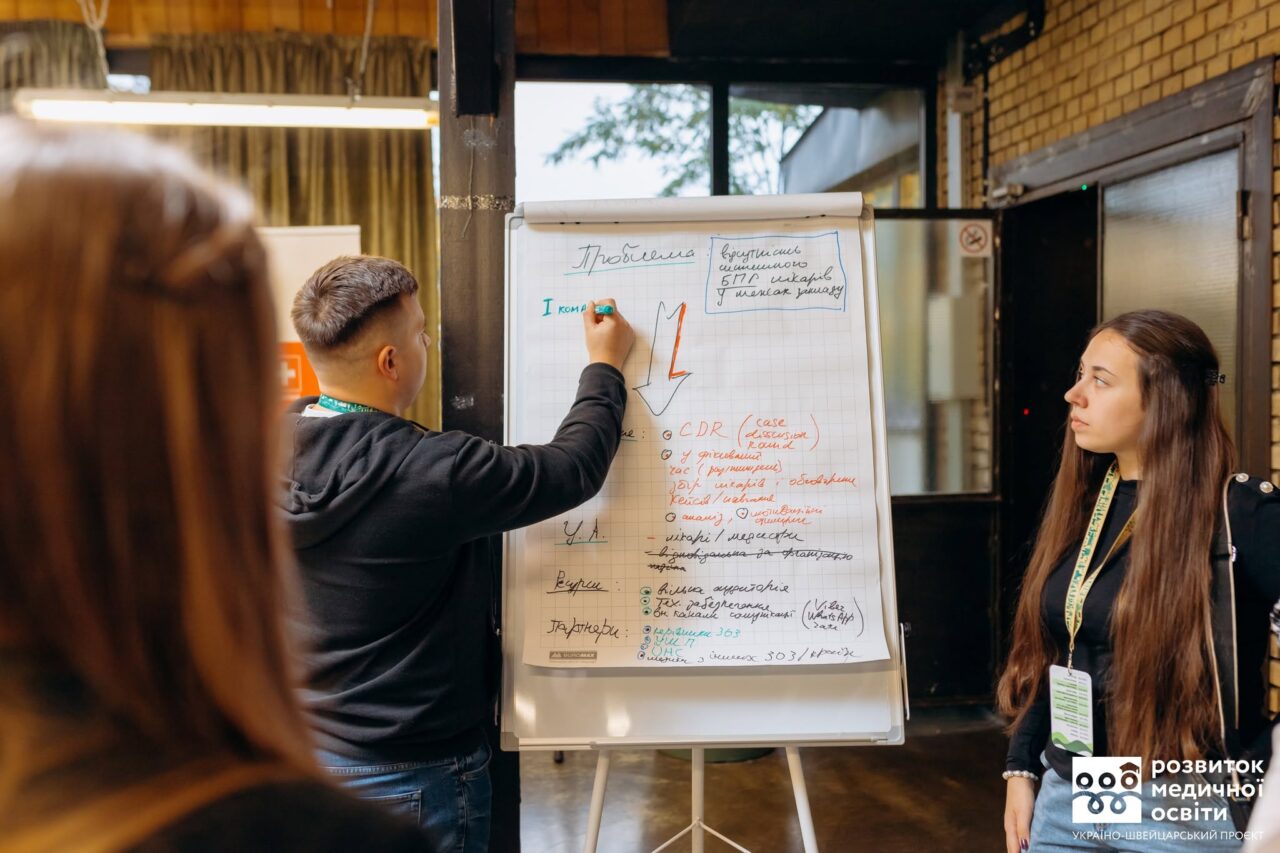
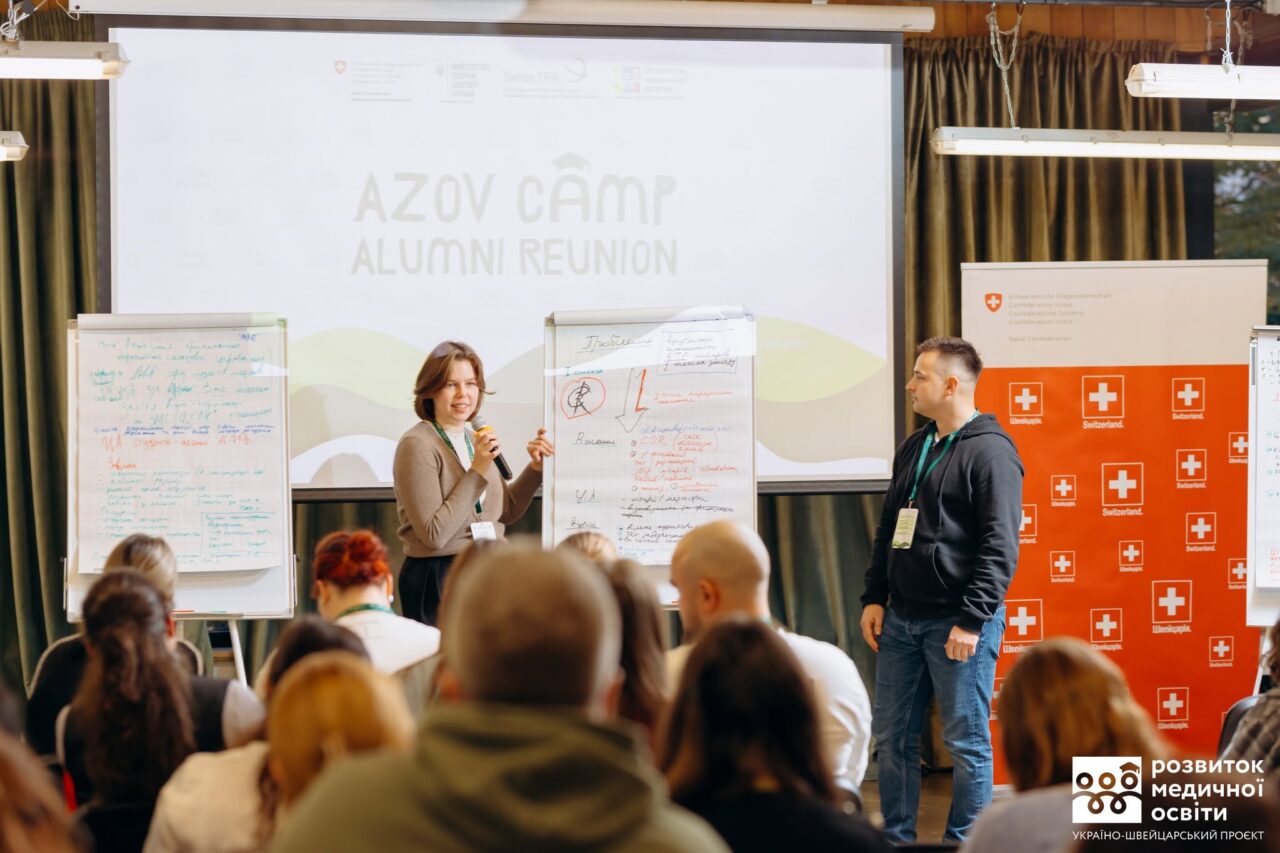
In addition, we held an interactive brainstorming session dedicated to the challenges of internship (internatura), as well as a session to generate project ideas that could help address these challenges. Participants shared their own experiences, argued their positions, and had the chance to experience what it’s like not only to raise problems but also to look for systemic solutions.
We saw a genuine desire to communicate, get to know one another, and keep interacting in the future. We see the powerful force of human connections — and are glad that there are now more of them.