How the “Artificial intelligence in the doctor’s hands” workshop went
Поділитися
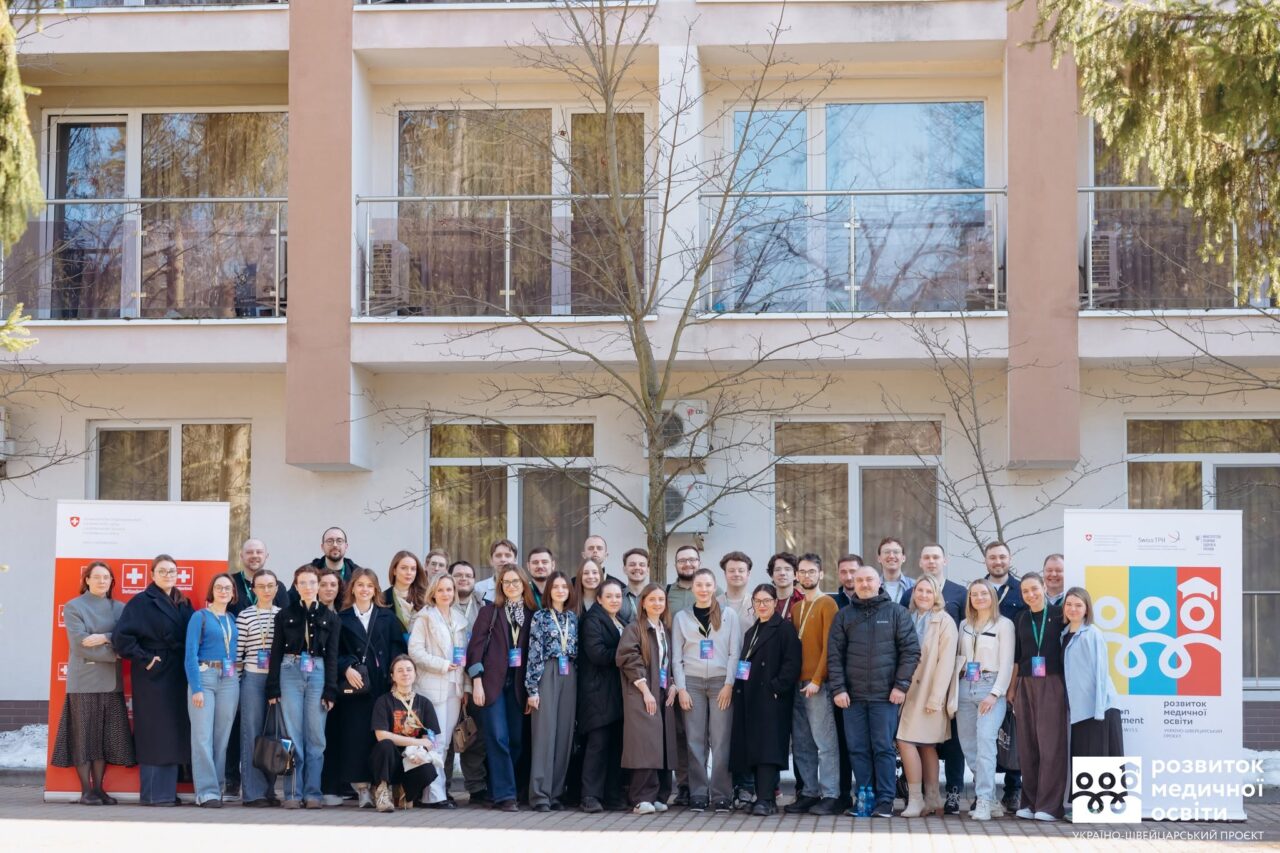
On March 11–12, a two-day workshop titled “Artificial intelligence in the doctor’s hands” was held in the suburbs of Kyiv. The event was designed to help medical professionals figure out how to use artificial intelligence tools wisely, ethically, and purposefully in clinical practice, given that AI has already become an integral part of the field.
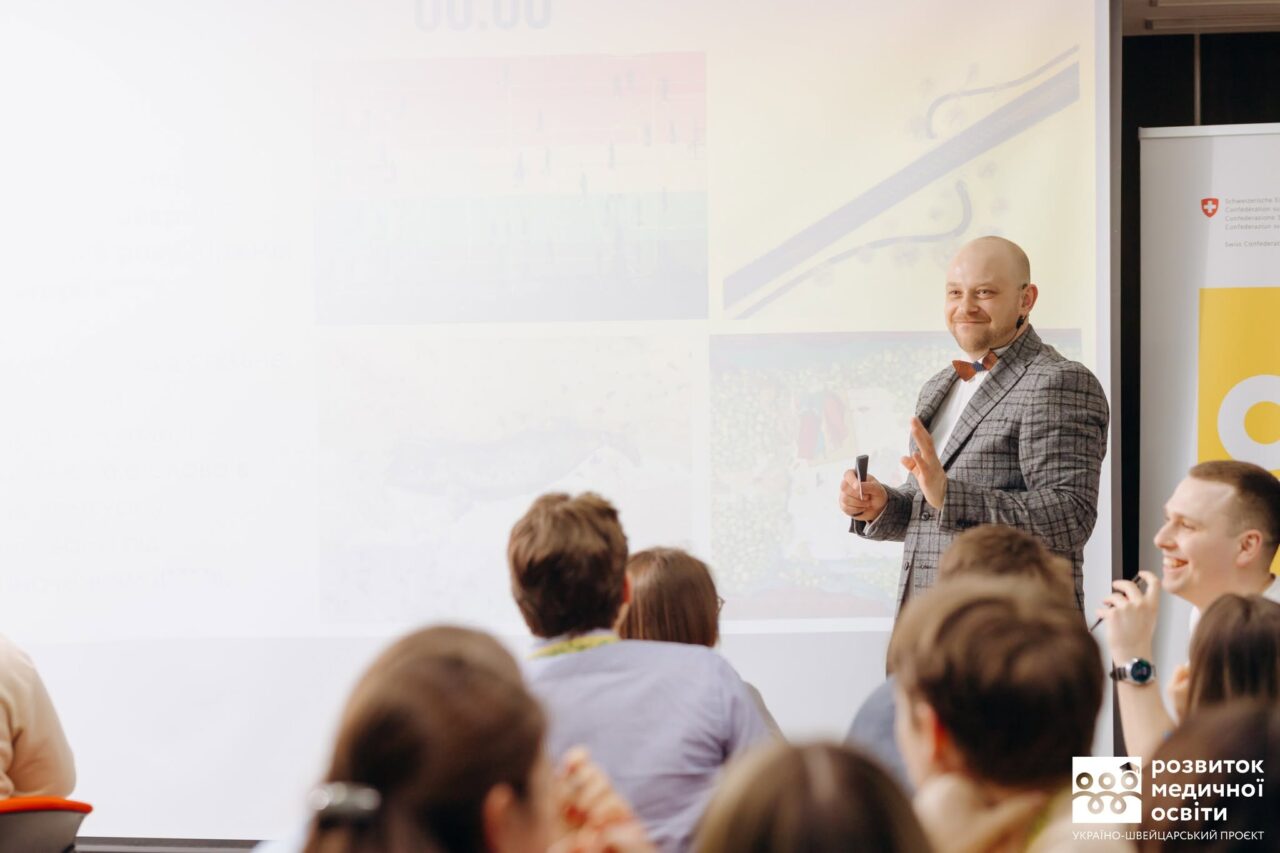
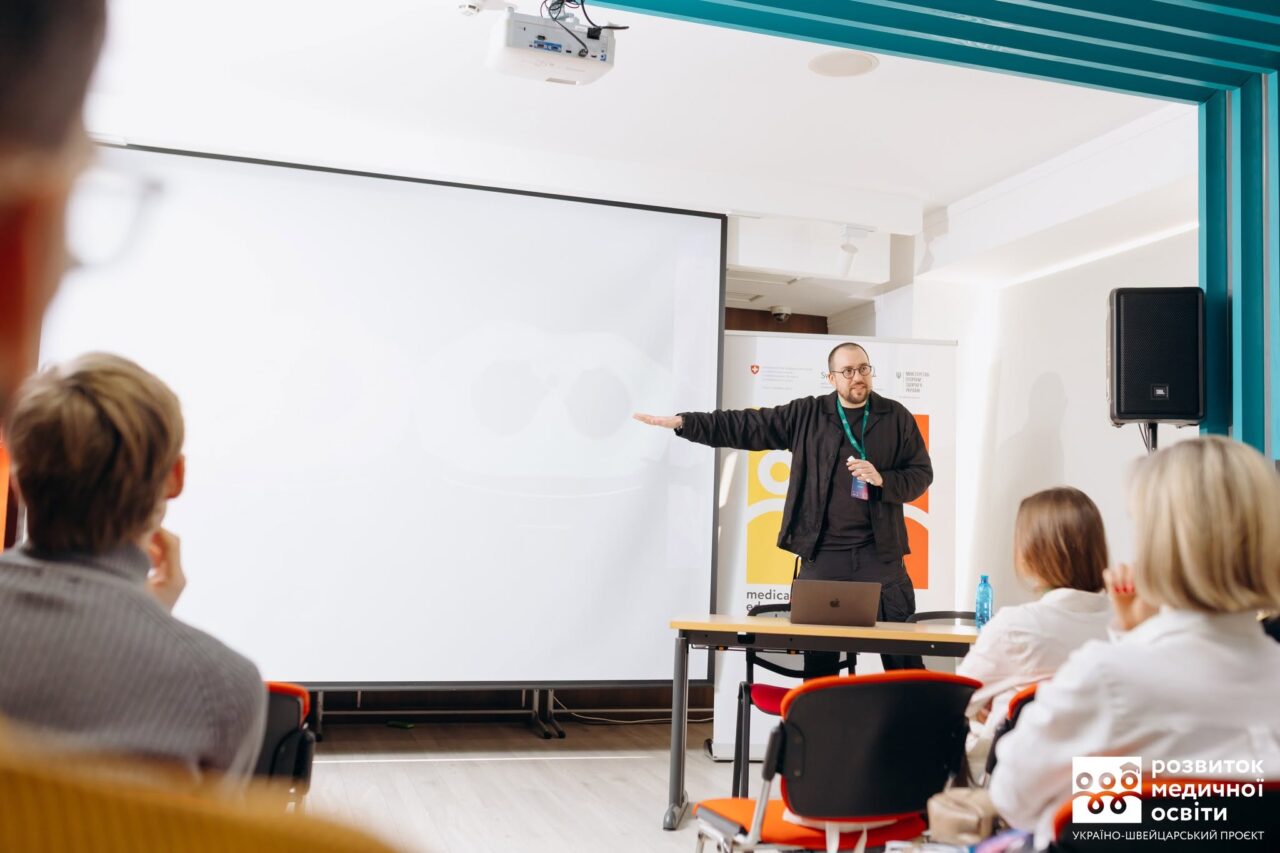
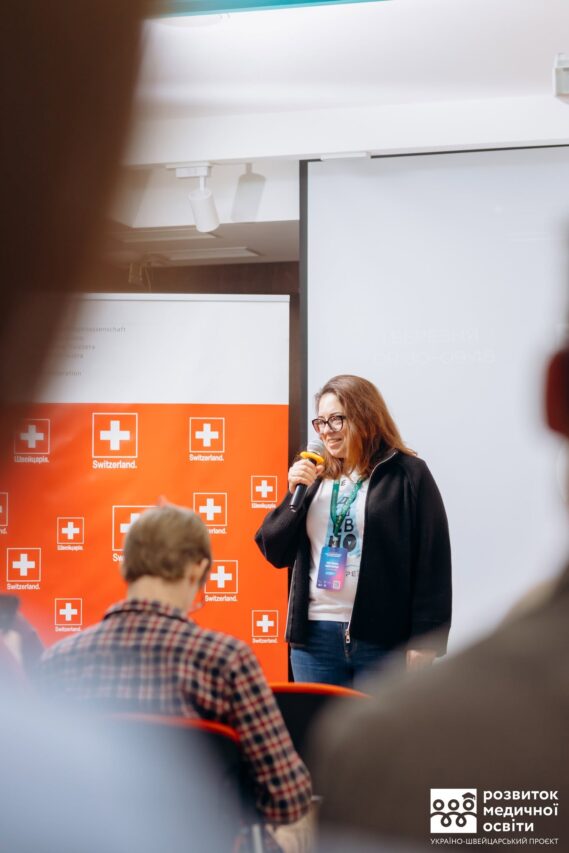
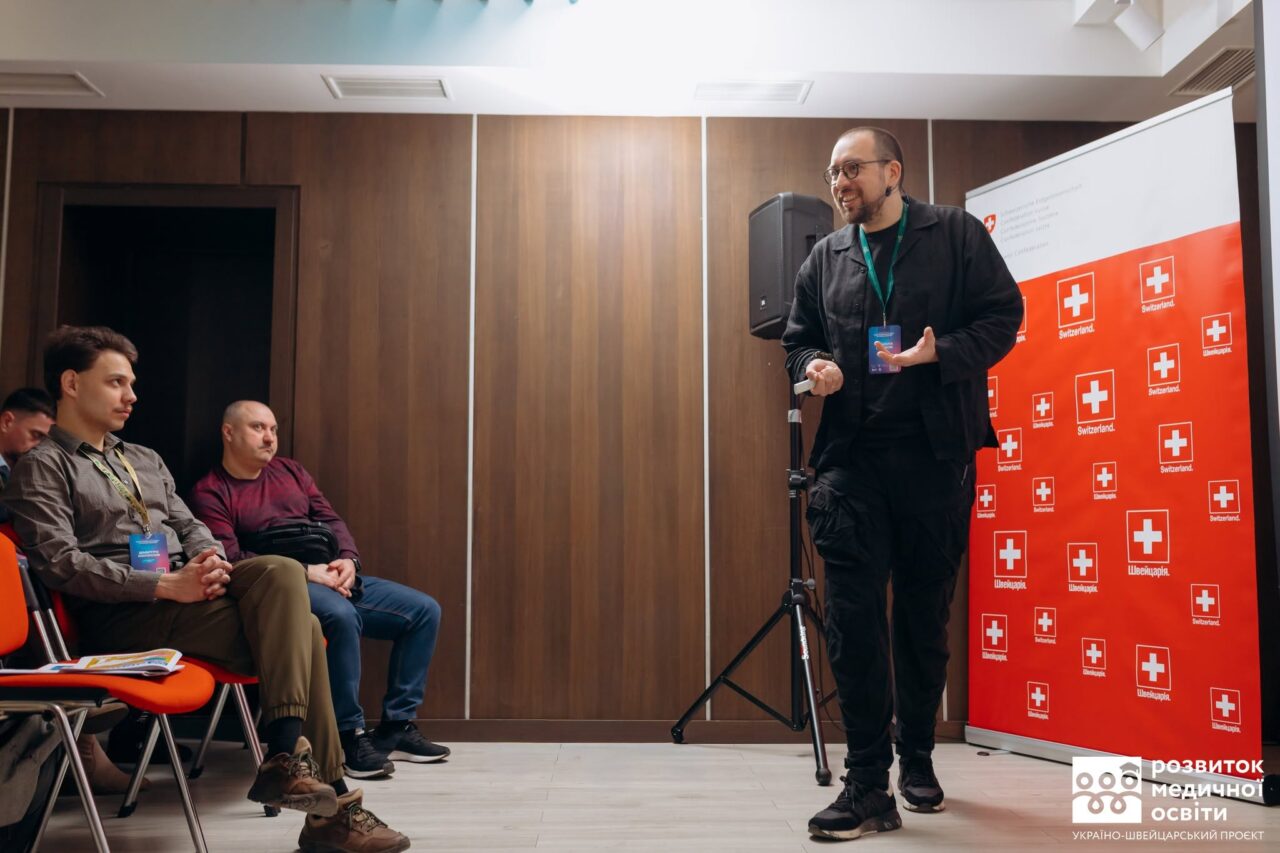
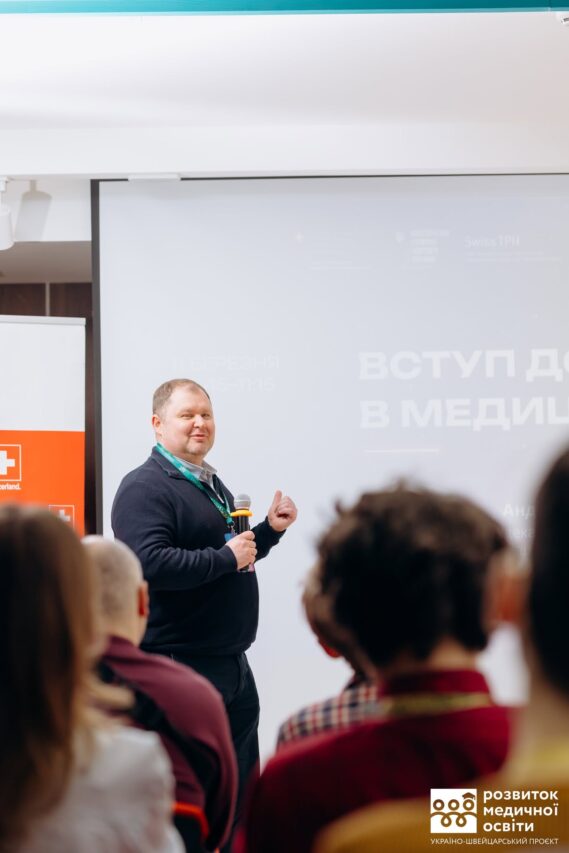
The event was opened by our project leader, Tetiana Chernysh. The program continued with Andrii Hlybovets, Dean of the Faculty of Informatics at NaUKMA and the visionary behind the workshop, who delivered an introductory lecture on terminology, machine learning, and examples of AI applications across various fields—from robotics to medicine.
“I was impressed by the engagement and activity of the doctors, residents, and students, as well as their openness to new technologies. Healthcare is one of those fields that is actively integrating modern technological solutions… That is why medical students, who will be responsible for the development of medicine in Ukraine in the future, must understand the impact of these technologies, their ethical aspects, and implementation opportunities,” Mr. Hlybovets noted.
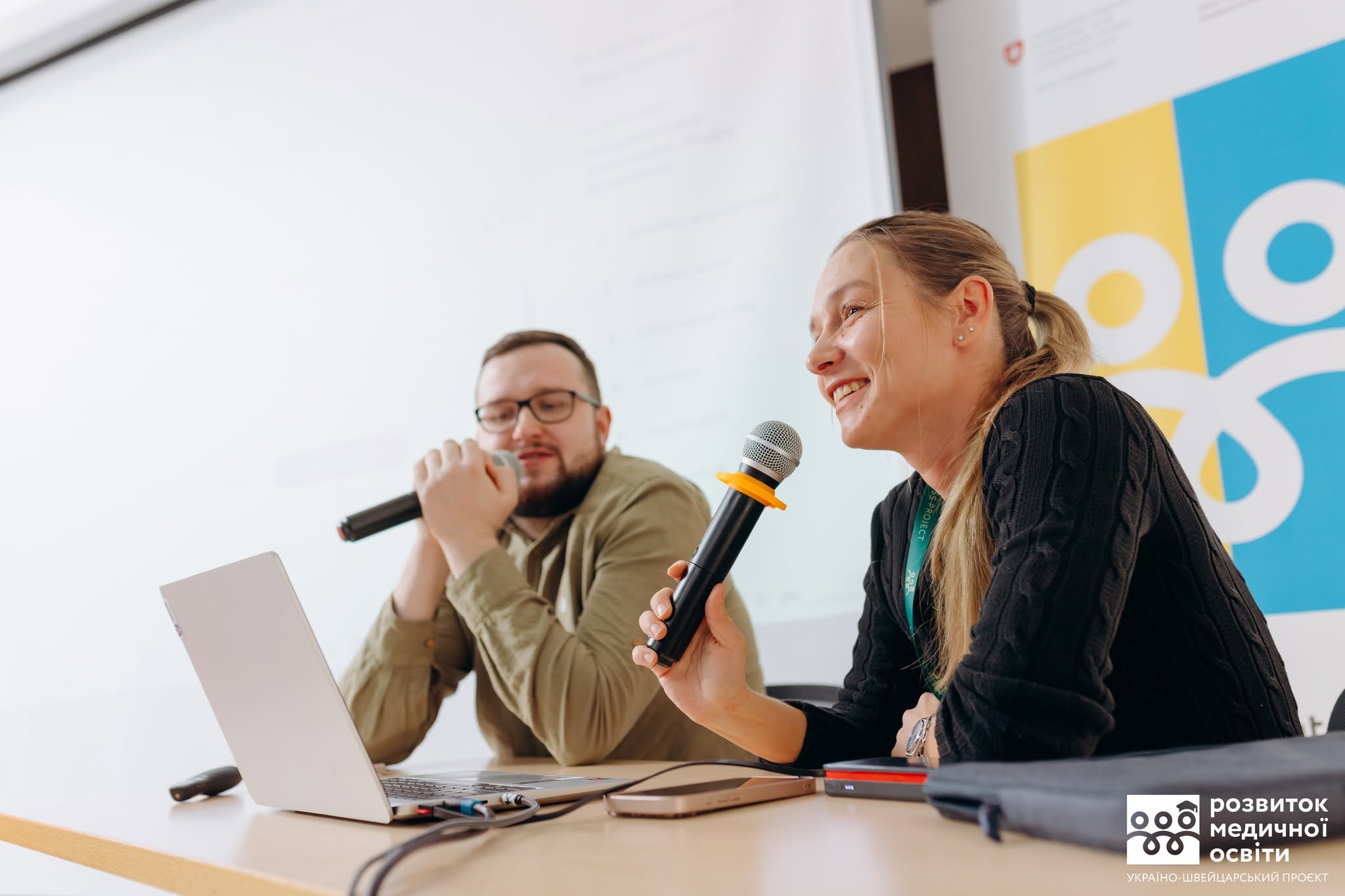
The event’s rich program covered key aspects of the intersection between medicine and artificial intelligence:
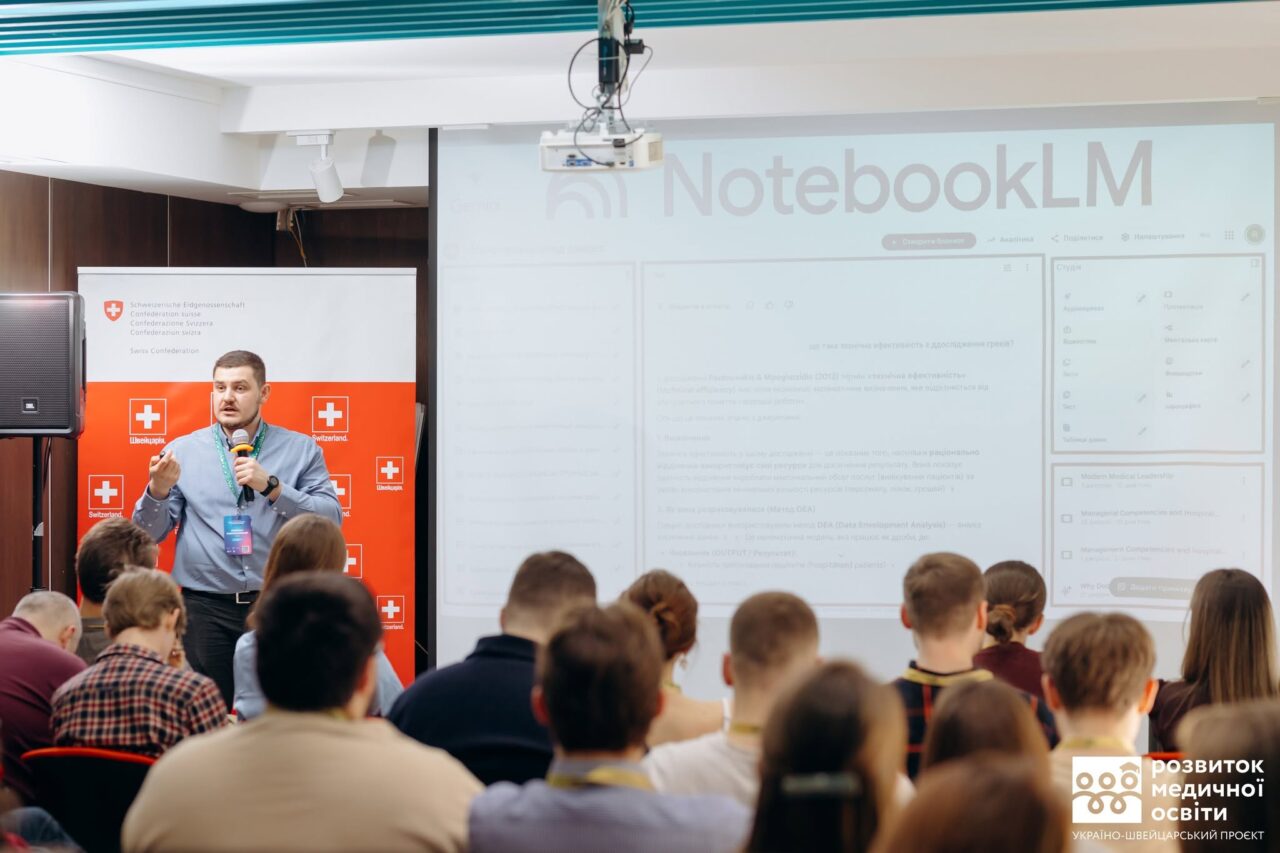
Roman Paraskevov, Head of the Medical Care Quality Department at Kyiv City Clinical Hospital No. 1, demonstrated in practice how tools like Gemini, Notebook LM, or ChatGPT ease a doctor’s routine—from creating working materials to analyzing National Health Service of Ukraine (NHSU) documents.
Tetiana Zakharchenko, Director of the Center for Data, Artificial Intelligence and Society at UCU, outlined the ethical challenges, risks of automated decisions, and the environmental impact of technologies.
Sofiia Yeremieieva (NaUKMA, EPFL) focused on AI as the foundation for neurotechnologies and the individualization of nervous system treatments.
Mykola Novikov (LISOD) shared his experience of using artificial intelligence daily in the work of a radiologist.
Anastasiia Oleksiuk (“Nobi Nobi Children’s Clinic”) showed how algorithms improve operational processes, strategy, and procurement in a medical center.
Yuliia Tychynska (“Tyra AI”) presented a case study of conducting a full patient appointment using an AI agent.
Additionally, the training materials included the online workshop “Generative AI in Medicine: Basics, Scientific Evidence, and Practical Aspects,” led by Christoph Pimmer, Head of the Innovation Unit at the Swiss Tropical and Public Health Institute (Swiss TPH). During the session, Mr. Pimmer (who has over 20 years of experience in education, digital media, and mobile learning) broke down major use cases for generative AI, analyzed evidence on what actually works in practice, and highlighted current opportunities and risks.
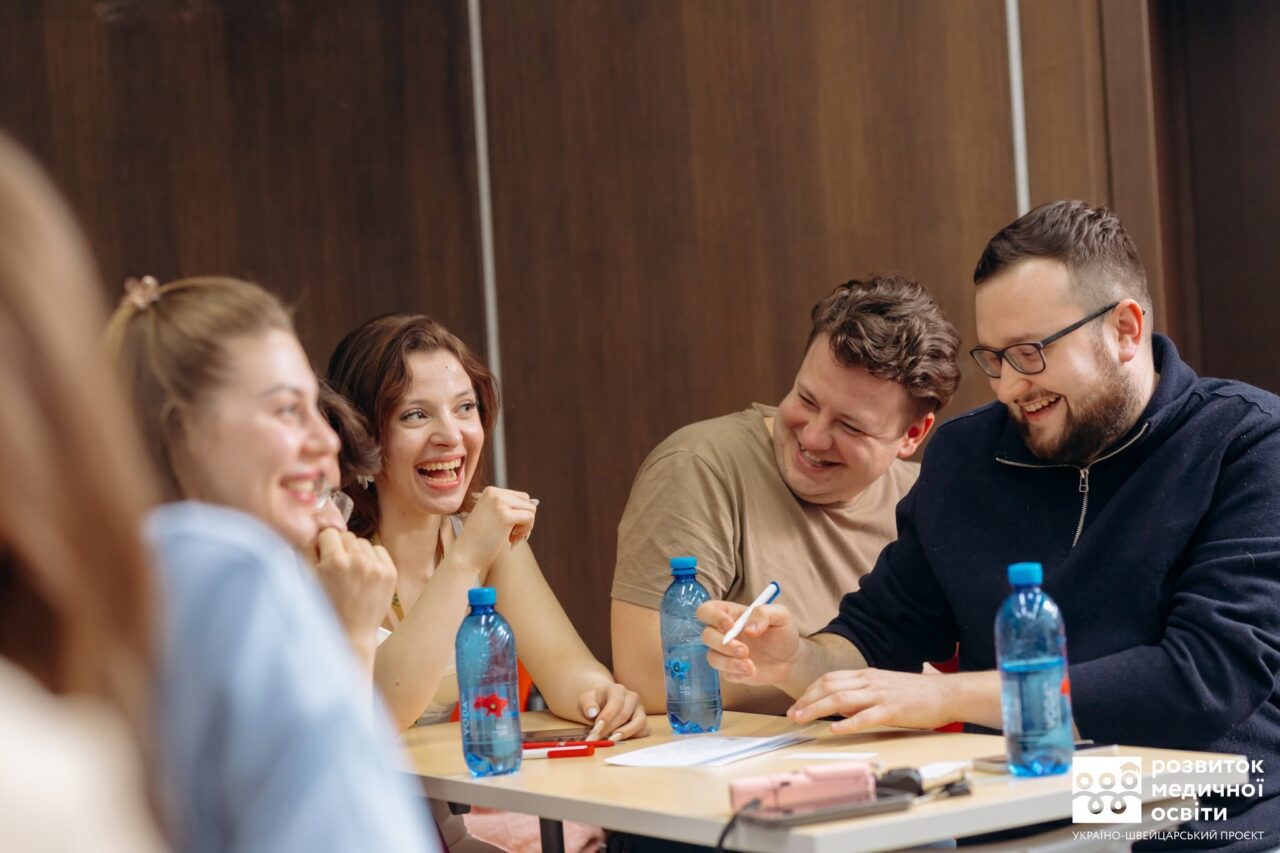
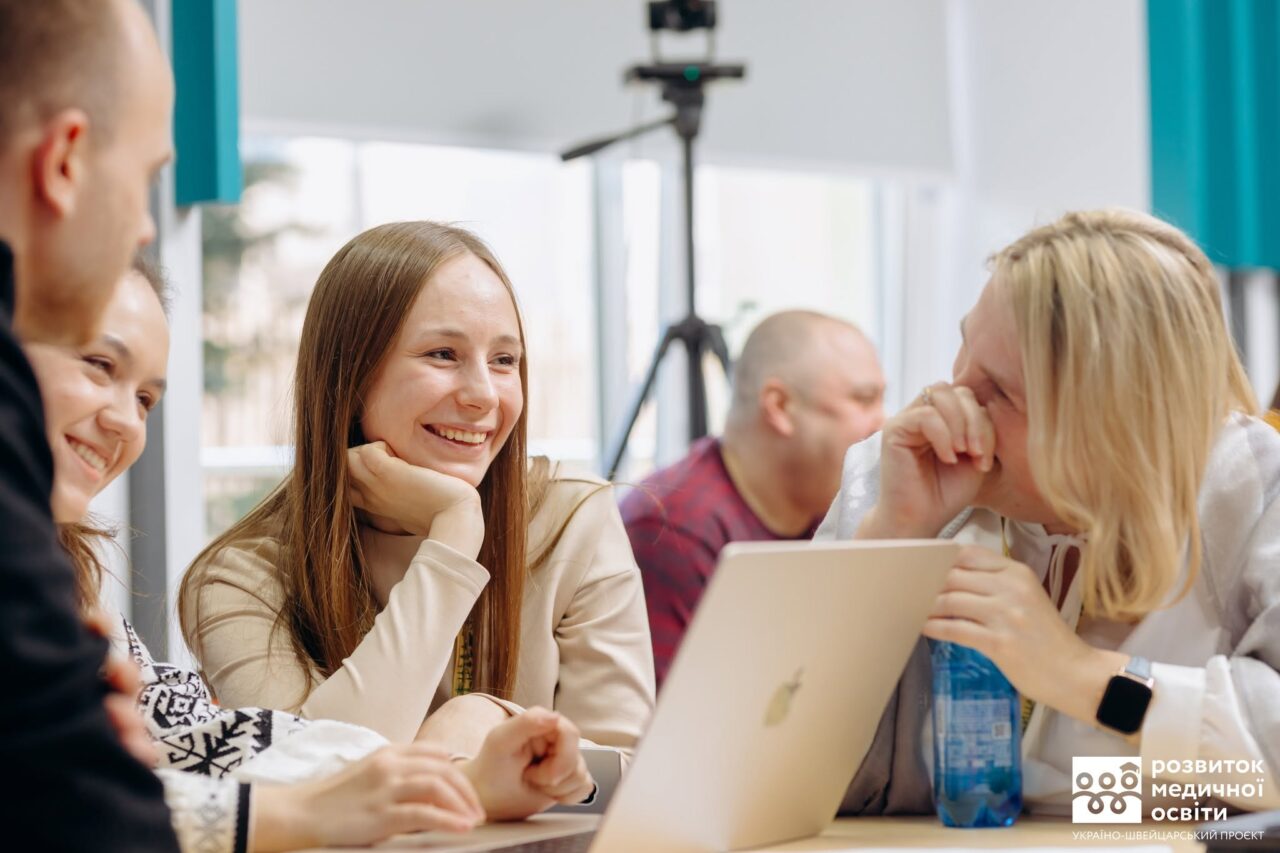
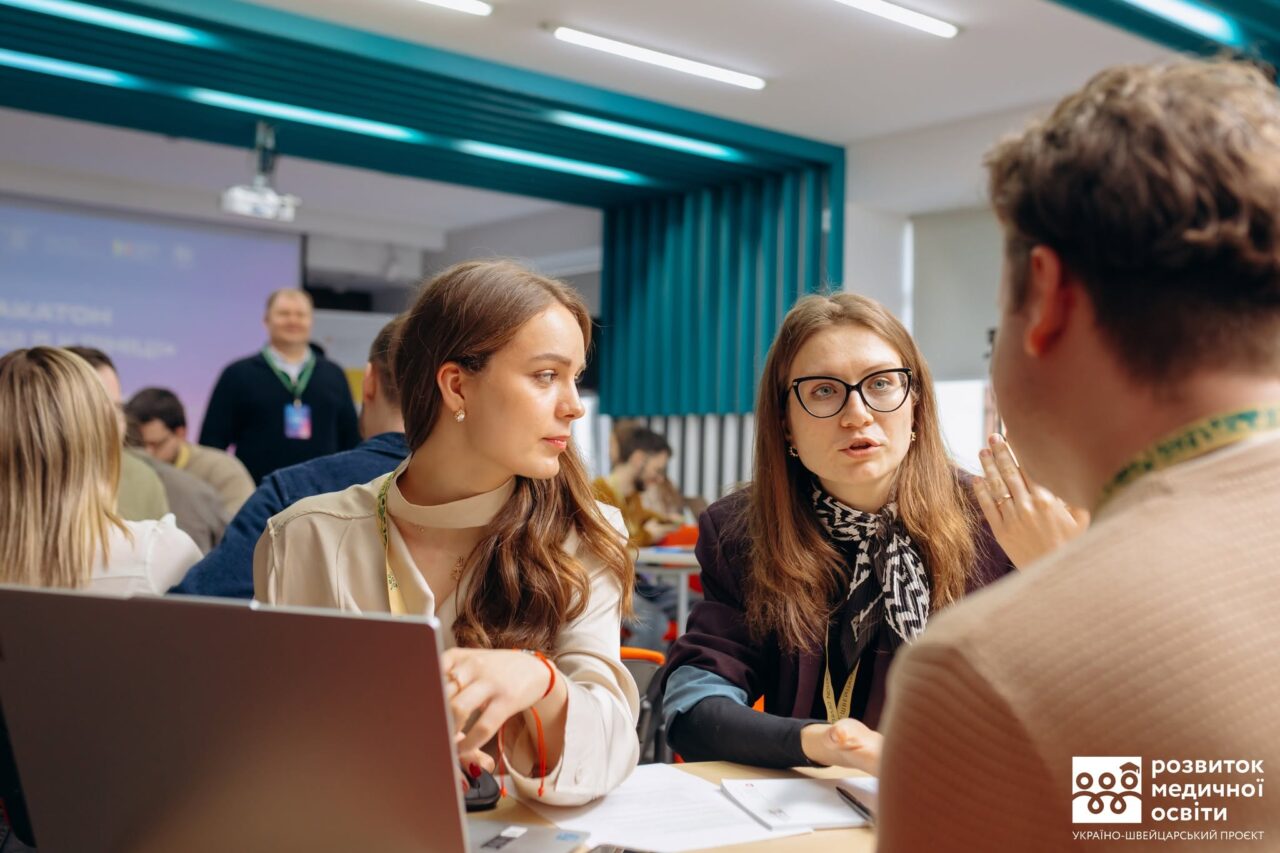
Beyond the lectures, a highlight of the event was a team idea hackathon, where participants generated bold solutions and engaged in active discussions.
Want to dive deeper into the topic? In our Medical Education Newsletter (21), you can already read a detailed summary of these two days of intensive work and discussions.
The two-day “Artificial intelligence in the doctor’s hands” workshop was held with the support of the National University of Kyiv-Mohyla Academy.